Pick one ready menu template, then choose your route: book a private-dining menu or follow a make-ahead plan. Confirm your guest count, collect dietary needs and set a per-person budget first. For safety, lean on EFSA food-handling guidance. If you would rather skip the cooking, we offer curated group menus at our restaurant.
TL;DR:
- Choose service by group size: plated meals suit smaller parties with a kitchen helper, family style suits medium groups, and buffets suit larger gatherings.
- Prepare soups, braises, gratins, and desserts ahead, then finish only the final bake, sear, or garnish; test the main at serving scale to check timing and oven space.
- Choose a venue when headcount, menu complexity, or dietary needs strain home hosting; confirm minimums, menu flexibility, privacy, cancellation terms, and service charges in writing.
- Collect dietary needs in writing with severity and medical details; prepare allergy sensitive plates first using separate utensils and boards to reduce cross contact risks.
- For groups above ten, use place cards; offer two mains and one vegetarian choice at most, and collect selections with RSVPs.
Table of Contents
- Which Christmas group dinner menu should you pick?
- What can you cook ahead for a Christmas group dinner?
- When should you book a restaurant instead of hosting?
- How much does a Christmas group dinner cost per person?
- How do you handle vegetarian, vegan, gluten-free and allergy needs?
- What food-safety rules matter for a big holiday meal?
- What does a stress-free planning timeline look like?
- How do you organize seating and menu choices for a group?
- What themed or interactive ideas make a Christmas dinner memorable?
- How can music and ambiance improve the evening?
- How do you communicate menu choices and dietary needs clearly?
- A host’s note on pacing and the make-ahead save
- A group menu we have already planned for you
- FAQ
- Sources
Which Christmas group dinner menu should you pick?
Several templates can suit groups: a classic roast, a seafood-led Mediterranean menu or a vegetarian crowd-pleaser. Traditional festive menus follow a rhythm that suits a crowd. Spain’s tourism authority describes cold starters of ham, cheese and seafood, then warm first courses, then roasted meats or baked fish, then sweets such as turrón and marzipan. Borrow that progression and the table feels like an occasion, not a rush.
Template 1: The classic roast
- Starter: a shared board of cured ham, aged cheeses, olives and marinated almonds.
- First course: a clear chicken and sherry broth with small pasta shells, served in cups.
- Main: slow-roasted lamb shoulder or suckling pig, with roasted potatoes and glazed carrots.
- Dessert: a turrón semifrío with a spoonful of orange compote.
- Drink: a medium-bodied red from Ribera del Duero, plus cava for the toast.
- Prep split: broth, potatoes and dessert are made ahead; the roast finishes in the oven while guests eat the starter.
Template 2: The Mediterranean seafood menu
- Starter: marinated mussels, anchovy toasts and tomato bread on a long platter.
- First course: a saffron fish soup with rouille, made ahead and reheated gently.
- Main: baked sea bream or hake with fennel, lemon and white beans.
- Dessert: a dark chocolate mousse with olive oil and sea salt.
- Drink: a crisp Albariño or dry cava.
- Prep split: marinades, soup base, mousse and bean garnish are prepped ahead; only the fish bakes at service, in a short time.
Template 3: The vegetarian party menu
- Starter: roasted pepper and goat cheese crostini, spiced chickpeas and a vegetable escalivada.
- First course: a creamy chestnut and mushroom soup.
- Main: a layered vegetable and potato tart with a herb sauce served on the side, plus a big salad of bitter greens, pomegranate and toasted nuts.
- Dessert: baked pears with spiced wine syrup and a scoop of vanilla ice cream.
- Drink: a light Garnacha or sparkling rosé.
- Prep split: the tart can be assembled ahead and reheated; the pears bake while you eat the main.
How you serve matters as much as what you serve:
- Plated tasting: works well for a smaller group when you want a formal feel and have a helper in the kitchen.
- Family-style: works well for a medium-sized group, with big platters passed down the table, which keeps the mood warm and the plating light.
- Buffet: works well for a larger group, but keep hot dishes in warming trays and refill small amounts often.
Pro Tip: Cook a test portion of your main dish in the quantity you plan to serve. Timing and oven space behave differently at scale, and a trial run exposes problems while you can still fix them.
What can you cook ahead for a Christmas group dinner?
Almost everything except the final sear, bake or garnish. Make-ahead cooking is how experienced hosts stay at the table. Spanish food media has built whole collections around it: dozens of Christmas recipes you can prepare the day before, and a roundup from El Comidista that favors dishes which keep well and reheat cleanly so nobody spends the celebration in the kitchen.
Starters that assemble ahead
Cold boards are the easiest win. Slice ham and cheese the morning of the dinner, cover them with damp paper towels and plastic wrap, and keep them chilled. Marinated seafood such as mussels, prawns or anchovies actually improves after a night in oil, garlic and lemon zest. Dips like whipped feta, romesco or a roasted garlic spread can be made ahead.

Soups and stews that improve with time
Broths and soups are the quiet heroes of a group menu. A regional tradition of broths and soups before hearty roasts or seafood exists partly because they hold so well. Make the base ahead, cool it quickly in shallow containers, refrigerate, then reheat slowly and add delicate garnishes such as herbs or cream at the last minute. A stew of beef cheeks or chickpeas and chorizo can taste even better after resting.

Roasts and oven-finish strategies
Slow-roasted mains forgive a crowd. Braise short ribs or lamb the day before, chill them in their liquid, then reheat covered at a low temperature and glaze at the end. For a roast that must be fresh, such as a whole fish or a leg of lamb, prep everything around it: season in advance, let it lose its chill briefly, and schedule the oven so the roast rests while sides finish.
Sides and vegetables that reheat well
- Roasted root vegetables can be cooked most of the way, then crisped briefly at service.
- Potato gratin assembles a day ahead and bakes while the starter is eaten.
- Braised red cabbage or white beans with garlic reheat in a pot with a splash of stock.
- Green vegetables are the exception: blanch them ahead, shock them in ice water and sauté briefly at the end.
Desserts that set or freeze
Sweets are the best make-ahead category. A semifrío de turrón can be stored in the freezer until serving. Chocolate mousse can be made ahead to set. Fruit compotes, panna cotta and baked custards all prefer a day in the refrigerator. Keep one fresh element, such as whipped cream, citrus zest or toasted nuts, for service.

Drinks you can batch
Mulled wine simmers quietly in a slow cooker and keeps guests busy while you plate. A batch cocktail such as a cava and pomegranate spritz base can be mixed without the bubbles and topped up per glass. Serve sparkling wine well chilled, pour gently down the side of the glass, and open bottles in small batches so the last pours are as lively as the first.
For more prep-day ideas written for busy home cooks, this holiday meal prep guide offers practical scheduling and storage tips that pair well with the plan above.
Pro Tip: Write a one-page “reheat sheet” listing each dish, its container, its oven temperature and its time. Tape it to a cabinet and any helper can run the kitchen.
When should you book a restaurant instead of hosting?
Book when the headcount is high, the menu is complex, or you simply want to enjoy the evening. Hosting gets harder as the guest list grows: oven space, seating, glassware and washing up multiply faster than the guest list. A venue also makes sense when your group includes several dietary requirements, because a professional kitchen can run parallel preparations without cross-contact.
Whatever venue you consider, work through these points before paying a deposit:
- Availability: confirm the exact date and time, and ask how long you may keep the table. December fills early, so start well ahead.
- Group minimums: ask for the minimum headcount or spend and whether it applies to food only or to drinks as well.
- Menu flexibility: find out whether you can choose between set menus, and whether the kitchen will adapt dishes for guests with restrictions.
- Private space: ask whether the room is truly private or just a section of the main dining room, and whether it is guaranteed for your whole booking.
- Deposit and cancellation: get the deposit amount, the deadline for final numbers and the penalty for late changes in writing.
- Service charge and gratuity: confirm whether service is included, so the final bill holds no surprises.
- Decorations and AV: ask what you may bring, such as centerpieces or a speaker, and whether a microphone or screen is available for speeches.
- Service flow: agree on timing for each course and when drinks start, so the evening has a rhythm and no one waits hungry.
When you contact a venue, lead with your headcount, date, budget range and a clear summary of dietary needs. A short, organized message gets a faster and more accurate reply than a vague one. If you want a model for how chef-led venues structure private events, our guide to planning an engagement dinner months ahead shows the same timeline thinking applied to another celebration. This group dining planning checklist also covers service considerations worth raising with any venue.
How much does a Christmas group dinner cost per person?
Budget by cost driver first, then divide. The big drivers are venue minimums, beverages, service and seasonal surcharges, since many venues price December menus above regular service. Drinks are the line that surprises people most, because a few rounds of wine and cava can rival the food cost.
Think of three broad formats:
- Home buffet: the lowest cash cost per head, but you pay in time and equipment.
- Catered private dining: a mid-range option that moves labor off your shoulders; prices vary widely with menu and service level.
- Fine-dining tasting menu: the highest per-person cost, with food, service and atmosphere bundled together.
Reporting on how families in parts of Spain budget for Nochebuena notes that restaurant group-dining costs vary a great deal by venue, service level and menu inclusions, so always compare quotes line by line.
For reference, our own group menus Alma, Fuego and Pasión start at €45, €65 and €95 per person. Our private dining cost guide explains how minimums convert into a per-person figure.
To keep costs down without making the evening feel smaller:
- Share starters on boards instead of plating individual portions.
- Offer a limited bar: one red, one white, cava and a signature batch cocktail.
- Build the menu around seasonal produce, which is cheaper and tastes better.
- Put one showpiece dish at the center and keep the sides simple.
- Ask the venue whether a fixed drinks package beats paying by the bottle.
How do you handle vegetarian, vegan, gluten-free and allergy needs?
Ask early, ask once and ask in writing. Send an RSVP form, such as a simple Google Form, with dedicated fields for restrictions and a clear deadline. Name one person as the point of contact so questions never scatter across group chats.
The smartest move is to design the menu so most dishes adapt rather than creating separate full meals for each guest:
- Serve sauces on the side so a roast or fish can go to everyone.
- Choose a base that works for several diets, such as a vegetable tart with a dairy-free sauce option.
- Build desserts around fruit, chocolate or nuts that are naturally gluten-free where possible.
- Label each plate or platter with its main allergens.
Cross-contact is the real hazard. Use separate utensils and boards for allergy-sensitive dishes, wash hands between tasks and prepare restricted plates first, before the rest of the kitchen gets messy. A guest with a serious allergy should see the label before they eat, not after.
When briefing a restaurant or caterer, list each guest’s restriction by category and severity, and say clearly whether an item is a preference or a medical need. Our kitchen adapts menus for vegetarian, vegan, gluten-free and lactose-free guests, and we find the process runs smoothly when we know the details well in advance. Our corporate dinner planning guide shows how dietary mapping works in practice.
Pro Tip: Ask guests to describe the reaction or the rule, not just the label. “Celiac, must avoid all cross-contact” and “prefers to skip bread” need very different kitchen handling.
What food-safety rules matter for a big holiday meal?
Keep cold food cold, hot food hot and limit time at room temperature. EFSA’s food-handling guidance stresses keeping raw and cooked foods separate, using potable water, washing produce, cooking meat, eggs and fish thoroughly, refrigerating leftovers promptly and reheating cooked dishes properly. Those principles scale directly to a group table.
For a buffet or family-style service, a few adjustments protect both safety and quality:
- Use warming trays or chafing dishes to keep hot dishes hot, and set cold items on ice.
- Give every dish its own serving utensil to prevent cross-contact.
- Refill in small batches rather than leaving full trays out for hours.
- Do not leave cooked food at room temperature for long stretches.
- In the refrigerator, store raw food below cooked food and keep them separate.
Waste matters too. Hospitality guidance from the EU recommends that restaurants appoint a responsible person for food donations and set up formal partnerships so surplus food can be redistributed safely. A home host can borrow the idea: decide before the dinner who takes leftovers home, and pack them in labeled containers.
Practical ways to cut waste without cutting generosity:
- Design the menu around fewer, better dishes instead of many half-eaten ones.
- Portion starters and desserts, and keep mains flexible.
- Watch the buffet line late in the evening and stop over-filling trays.
- Track what comes back untouched and adjust next year’s quantities.
Small, practical nudges work. In a Spanish pilot, simple weekly messages with recipes and storage advice cut edible household food waste by 24.9%, which shows that helpful habits can matter more than big programs.
What does a stress-free planning timeline look like?
Work backward from the dinner date. This schedule fits most groups:
- Well ahead: fix the date, set the budget, choose a menu template or venue, and send the invitation with an RSVP deadline.
- As the dinner approaches: close RSVPs, finalize the headcount and map every dietary need to a dish.
- Before the dinner: confirm suppliers or the venue, order specialty items and write your shopping and prep list.
- Shortly before the dinner: shop, make soup bases and marinades, and set up serving pieces and labels.
- Before the dinner: bake desserts, assemble gratins and tarts, set the table and chill drinks.
- On the day: reheat in the order of your sheet, plate starters first, rest roasts, and assign roles: one person on drinks, one on clearing, one on the door and music.
Give every task an owner. A kitchen lead, a drinks lead and a host who simply talks to guests turn a chaotic evening into a calm one.
How do you organize seating and menu choices for a group?
Seating shapes the whole evening. Mix people who know each other with those who do not, and avoid isolating one guest at a corner. Place people who need easy exits, such as parents with small children or guests with mobility needs, near the door or restroom. For long tables, put talkative hosts in the middle and quieter guests across from friendly faces.
Use place cards for groups above ten. They remove the awkward shuffle at the start and let you quietly seat dietary-restricted guests next to the plates prepared for them. If you offer choices, limit them: two mains and one vegetarian option is plenty. Collect choices with the RSVP so the kitchen counts are exact, and keep a short list of who picked what at the host’s seat.
For family-style service, put platters within reach of every seat and give the end seats the hardest-to-pass dishes. If you are booking a venue, ask whether it can print individual menus with names, which also helps you spot mistakes before service begins.
What themed or interactive ideas make a Christmas dinner memorable?
Add one activity to the evening, not five. A tapas-style opening, where guests assemble their own bites from a board, turns the first course into a conversation. A “build your own turrón” dessert table, with nougat, fruit, nuts and chocolate sauce, gives everyone something to do at the end.
Other ideas that work for groups:
- Regional theme: pick one cuisine and commit to it, from starters to sweets.
- Wine or cava tasting: pour small tasting glasses and let guests vote for a favorite.
- Live-fire or carving moment: a roast carved at the table creates a focal point.
- Recipe card party favors: send guests home with the dessert recipe.
- Secret Santa course: each guest brings one small dish matched to a theme, as in a potluck, but with a planned menu structure.
Chef-driven venues already build this kind of theater into service. Our live-fire cooking guide explains how open-flame cooking becomes part of the experience, and it is a useful model if you plan to cook something dramatic yourself.
How can music and ambiance improve the evening?
Start with lighting. Warm, low light flatters everyone and makes food look better; candles on the table and string lights on the walls do more than expensive decorations. Keep centerpieces low so guests can see each other across the table.
Music should sit under the conversation, not over it. Build a playlist long enough to cover the evening, start with instrumental or soft jazz during arrival and the first course, then lift the tempo slightly after dessert. Test the volume with the room full, not empty.
Small touches add warmth:
- A scent from simmering mulled wine or orange peel and cinnamon on the stove.
- Handwritten menu cards at each place.
- A short toast between courses, kept brief.
- A quiet corner with after-dinner coffee and sweets where guests can drift and talk.
If you are at a restaurant, ask what music and lighting the room offers and whether you may bring a playlist or small decorations.
How do you communicate menu choices and dietary needs clearly?
Clarity beats politeness here. To group members, send one message with the menu, the date, the time, the RSVP deadline and a clear question about restrictions. Repeat the deadline in a reminder, and thank people who respond early.
To a restaurant, send a short written summary that includes:
- Total headcount and the date and time.
- Dietary needs listed by guest category (for example: two vegan, one celiac, one nut allergy) with severity noted.
- Menu choice counts, if guests are choosing.
- Your single point of contact and phone number.
- A request for written confirmation of the final menu.
Confirm again a few days before, because details drift. On the day, speak with the manager or maître d’ on arrival and point out the guests with serious allergies. A two-minute conversation at the door prevents most mistakes later. For the principles behind this kind of clear planning, our guide on planning dinners with purpose first applies equally to a family gathering.
A host’s note on pacing and the make-ahead save
The best holiday dinners I have seen run on pacing, not perfection. Give guests a long, easy first course, stretch the middle, and let dessert arrive when the conversation naturally slows. A broth made ahead has saved more services than any fancy technique: it fills the gap when the roast needs ten more minutes, and nobody notices the delay. Confirm dietary needs early, because that single step prevents the stress that ruins evenings.
— YellowRock
A group menu we have already planned for you
If you would rather enjoy the table than cook for it, we offer curated group menus and private dining rooms at our Barcelona restaurant, with full adaptation for vegetarian, vegan, gluten-free and lactose-free guests. A gift card also works well if you are giving the dinner as a present.
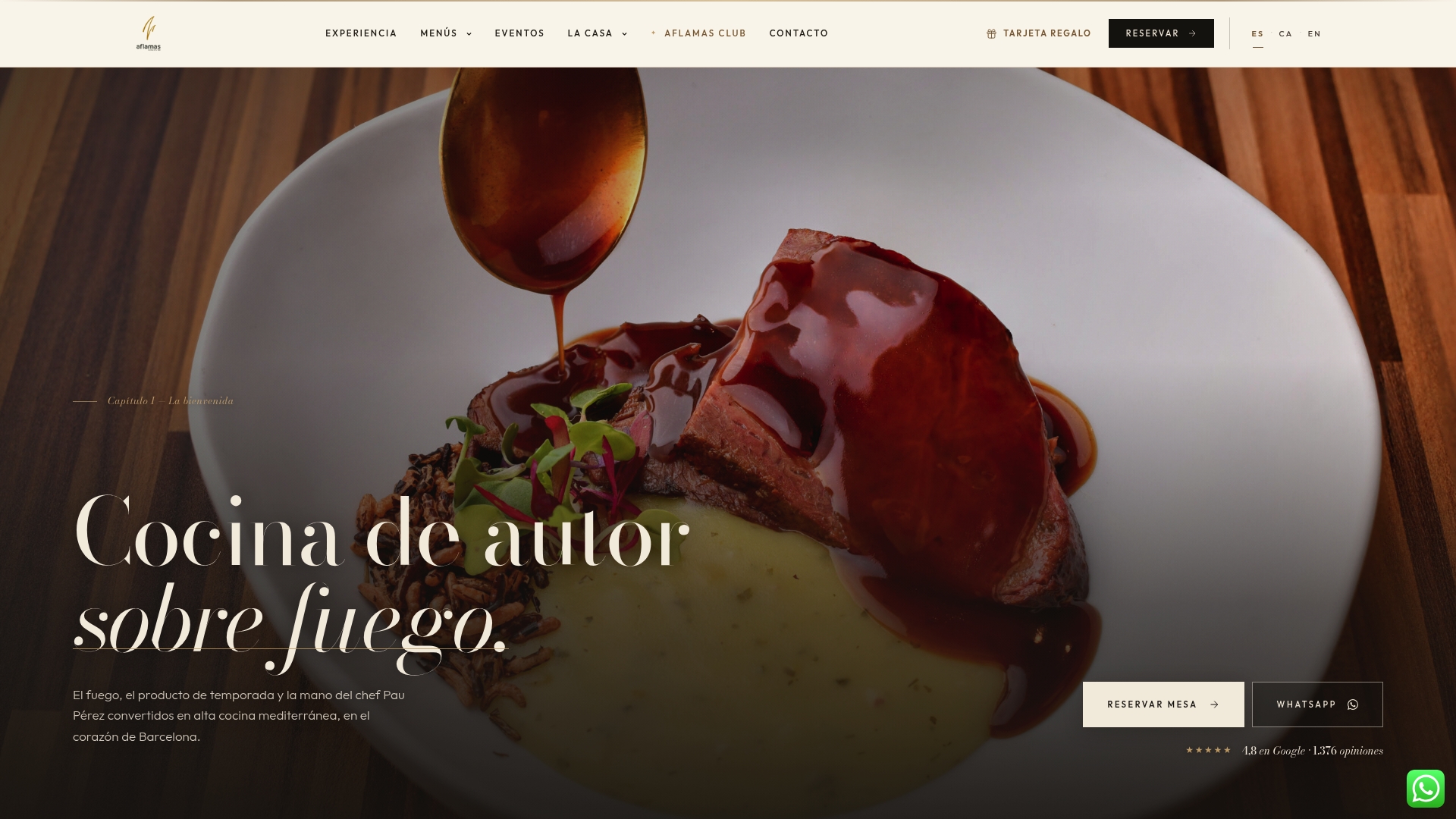
Review our group menus and contact us to customize the menu for your date and headcount.
FAQ
What is a good Christmas meal for a large group?
A shared starter board, a make-ahead soup, a slow-roasted main and a frozen or set dessert work best. This structure lets you prepare most of the meal in advance and serve it with little last-minute effort.
What is a typical Christmas dinner in Spain?
It usually begins with cold starters such as Iberian ham, cheeses and seafood, followed by a warm first course and a roast or baked fish. Sweets such as turrón and marzipan close the meal.
What to cook for a Christmas gathering?
Choose dishes that hold or improve with time: soups, braises, gratins and mousses. Spanish food coverage collects many make-ahead Christmas recipes so you can prepare dishes ahead without losing quality.
How do I keep a big holiday meal safe?
Keep raw and cooked foods separate, cook meat, eggs and fish thoroughly, and refrigerate leftovers promptly. EFSA’s guidance also recommends reheating cooked dishes properly before serving.
Sources
- Spain
- Manipulación adecuada de los alimentos | EFSA
- Food redistribution in the EU: translation of Austrian hygiene guidelines for industrial kitchens, healthcare facility kitchens and similar public catering facilities
- 69 recetas de Navidad que puedes preparar el día anterior: aperitivos, primeros y segundos platos para triunfar