No, tipping in Spain is not expected the way it is in the United States. If a bill shows a mandatory “service” line, you have every right to ask for clarification before paying.
TL;DR:
- For casual meals, round up or leave €1 to €3; at midrange restaurants, about 5% suits standout service, while fine dining may warrant 5% to 10%.
- A 2026 survey found roughly 25% of Spanish diners always tip; 63% of tips are below 5%, and 35% fall between 5% and 10%.
- Card terminal prompts are optional, and card payments have reduced tipping because diners have no spare change; cash tips go directly to staff.
- If a bill includes an undisclosed mandatory service or cover charge, ask for a corrected invoice; if the restaurant refuses, request the official complaint form.
- Ask staff whether tips are pooled or kept individually before leaving extra money, and follow local cues because tourist areas may differ.
Table of Contents
- How tipping works in Spain: etiquette and who gets tipped
- How much to tip in restaurants: clear euro amounts and percentage examples
- Where tipping is more common: bars, cafés, terraces, tourist spots, and fine dining
- Card-terminal tip prompts, suggested service lines, and your rights
- Local data and behavior: what Spanish surveys show about tipping in 2026
- A Barcelona fine-dining host’s note on tipping etiquette
- Reserve at Aflamas: transparent policies and dining options
- FAQ
- Sources
How tipping works in Spain: etiquette and who gets tipped
In Spain, a tip is a gesture of thanks, not a social obligation. Many Spaniards do not tip on a regular basis, and nobody will chase you down for skipping it after a quick coffee or a weekday lunch. Restaurant staff are paid a wage that does not depend on gratuities the way it often does in the United States, so the whole dynamic feels looser and less transactional.
How a tip actually reaches a server varies by venue. Some restaurants pool whatever cash is left on the table and split it among the floor staff at the end of a shift. Others let individual servers keep what they personally receive. Paying by card has changed the picture: when the bill is settled electronically, there is no loose change to leave behind, which has made tipping less automatic across the country.
- Cash tips are usually left directly on the table or handed to the server.
- Card terminals in some restaurants now show an optional tip prompt, often with preset percentages.
- Smaller cafés and neighborhood bars rarely see any tip at all, in cash or on card.
Because card payments dominate in cities like Barcelona and Madrid, the old habit of leaving spare coins has faded, and the terminal prompt has become the main place where the question of tipping even comes up.
How much to tip in restaurants: clear euro amounts and percentage examples
The amount depends on the setting, but none of these figures are rules, just common patterns.
- Casual meals: round up the bill or leave €1 to €3, regardless of the total.
- Mid-range restaurants: around 5% is typical when the service stood out.
- Fine dining: 5% to 10% is reasonable for an exceptional meal, and it stays entirely discretionary.
A few worked examples make this concrete. On a €15 lunch, rounding to €16 or €17 covers it. On a €45 dinner with attentive service, leaving €2 to €4 lands in the normal range.
A recent survey found that a minority of Spanish diners consistently leave a tip, and most tips tend to be modest, generally under 5% of the bill, according to TheFork Lab–RTVE reporting. That data point matters because it tells you modest tipping is the norm, not the exception, so there is no need to stretch toward American-style 15% to 20%.
When splitting a bill among a group, the easiest method is to round the total up and divide the extra evenly, rather than calculating individual percentages. If the service was memorable, one person can simply add a few extra euros when settling the card payment, and nobody will think twice about it.

Where tipping is more common: bars, cafés, terraces, tourist spots, and fine dining
Context changes expectations more than any fixed percentage does.
- At bars and cafés, rounding up or leaving small coins is common, but walking away with no tip at all is just as normal.
- Touristy terraces in heavily visited neighborhoods sometimes see higher tip frequency, partly because visitors bring habits from home and partly because some venues nudge guests with suggested amounts.
- In fine dining, diners more often leave a modest percentage specifically when the service matched the ambition of the meal.
- Local cues matter more than any guidebook rule: watch what the table next to you does, and let the restaurant’s own tone guide your decision.
A beachfront restaurant in a resort town will feel different from a family-run bodega in a small inland village, even though both are technically “restaurants in Spain.” When in doubt, the safest move is to treat tipping as optional everywhere and let genuinely good service be the thing that tips the scale.
Card-terminal tip prompts, suggested service lines, and your rights
Spain’s consumer organization has been direct about this: a tip must stay voluntary, and a separate charge for “servicio” or “cubierto” that is not clearly disclosed in advance can cross into illegal territory. OCU warns against abusive hospitality practices that bundle unclear charges into the final bill, and travelers have the right to push back.
- If a bill includes a mandatory service line you were not told about, you can ask for a corrected invoice that removes it.
- A card-terminal prompt suggesting a tip percentage does not mean a tip is legally owed, a point confirmed in consumer reporting on terminal prompts.
- If a restaurant refuses to correct an improper charge, you can request the official complaint form, known as the hoja de reclamaciones.
Pro Tip: Ask your server directly how tips are handled at that restaurant, whether pooled, split, or kept individually, before you decide how much to leave.
Photographing the posted menu prices when you sit down gives you a quick reference if a dispute comes up later.
Local data and behavior: what Spanish surveys show about tipping in 2026
A 2026 survey from TheFork Lab, reported by RTVE, found that roughly 25% of Spanish diners always tip, while 63% of the tips given fall under 5% of the bill, 35% land between 5% and 10%, and very few exceed 10%. The same reporting notes that card payments have reduced how often people tip at all, since there is no loose cash to leave behind.

Many Spaniards also find suggested-tip prompts on card terminals uncomfortable, a sentiment echoed in Europa Press coverage comparing tipping across countries. For travelers, the practical takeaway stays simple: a small tip for great service fits local habits, and rounding up covers everything else.
A Barcelona fine-dining host’s note on tipping etiquette
We see tipping the same way most Spanish diners do: appreciated, never expected. Guests enjoying a tasting menu sometimes leave a small percentage when a course or a pairing genuinely surprised them, but plenty of tables settle the bill and leave without adding anything, and that is entirely fine with us.
For group bookings, we recommend clarifying how any service costs are handled before the event, which our cancellation policy for fine-dining reservations outlines alongside booking terms. If you are ever unsure what is customary, the easiest moment to ask is right when you sit down or when the bill arrives.
— YellowRock
Reserve at Aflamas: transparent policies and dining options
Our booking process is designed for clarity, so you always know what you are paying for before you sit down, whether you choose a tasting menu or a private dining room for a group celebration.
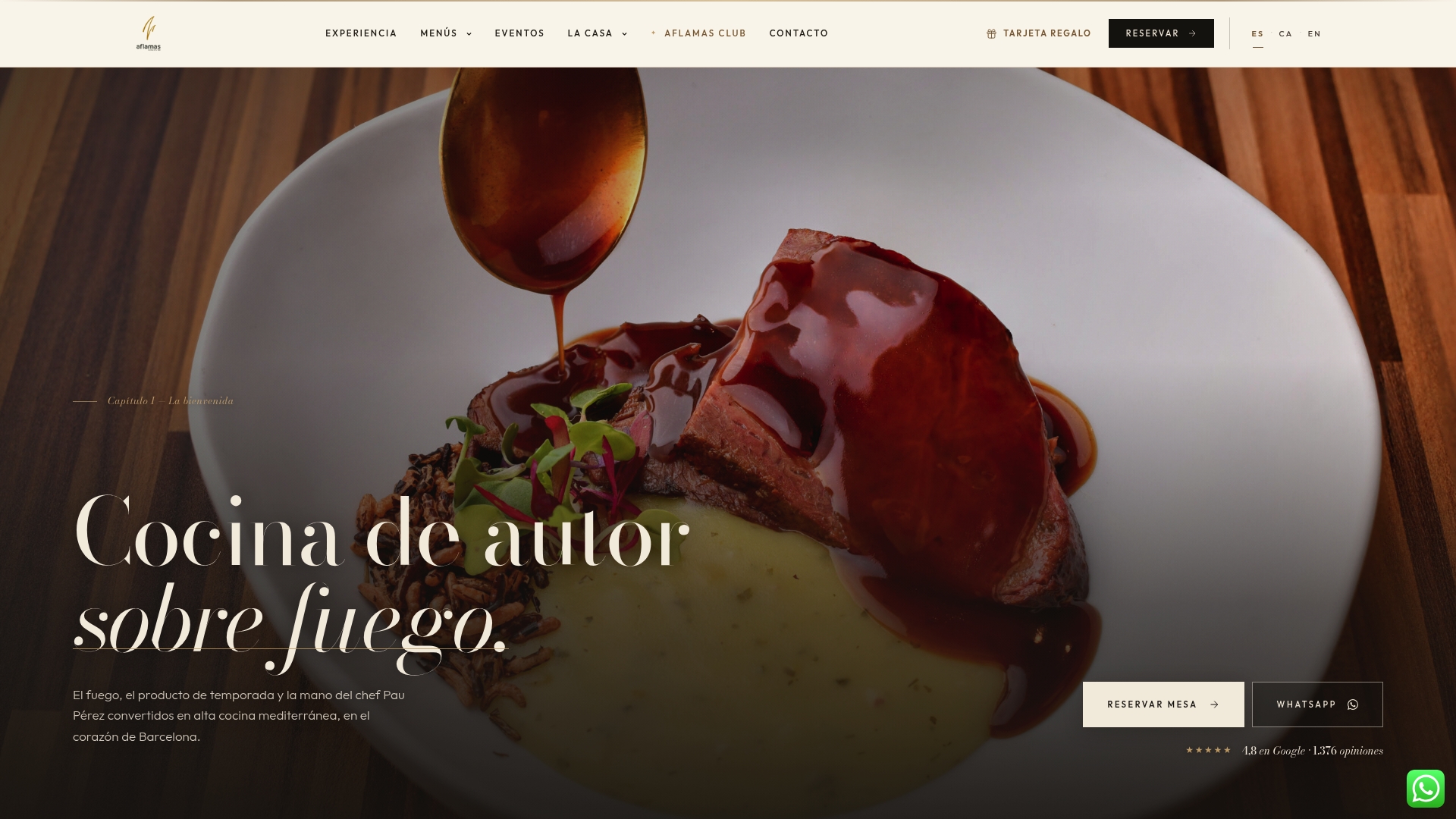
Our Menú Temporada and Menú Selección Autor both come with clear per-person pricing from the start, and our group options, Alma, Fuego, and Pasión, follow the same transparent approach for private events. Gift cards are also available for anyone who wants to share the experience with someone else.
If you have questions about service, gratuities, or how a group menu is priced, reach out before your visit, and reserve your table at Aflamas.
FAQ
Do you tip in Spain?
Tipping in Spain is voluntary rather than expected, so you can round up a bill or leave nothing at all without causing offense. Many Spaniards reserve a small tip for service that genuinely stood out, especially in sit-down restaurants rather than bars or cafés.
Is a 10% tip disrespectful in Spain?
A tip sits at the upper end of what survey data shows Spanish diners typically leave, and it is generally reserved for fine dining or exceptional service rather than everyday meals.
What is considered impolite when dining out in Spain?
Rushing a meal, snapping your fingers for service, or assuming a tip is mandatory can all read as impolite. Spanish dining culture values a relaxed pace, so patience at the table matters more than any specific tipping gesture.
What should I do if a bill includes a mandatory service charge?
You can ask the restaurant for a corrected bill, since OCU guidance treats undisclosed mandatory service charges as a consumer-rights issue. If the restaurant refuses, you can request the official hoja de reclamaciones to file a formal complaint.
What is the typical tipping practice in Spain right now?
Most diners either round up the bill or leave a small amount in cash, with only about a quarter of Spaniards tipping consistently according to recent survey findings. Card payments have made tipping less frequent overall, since there is no spare change left on the table.
Sources
For readers who want to check the details directly, these sources cover the consumer-rights rules and survey data behind this guide.
- OCU advierte contra las malas prácticas y abusos en algunos bares y restaurantes
- ¿Dejar propina? Solo uno de cada cuatro españoles lo hace
- La propina en España y en otros países: ¿es un gesto personal o una imposición?
- Card-terminal tip prompt is not evidence that a tip is owed (El País summary of OCU stance)