
Yes, many restaurants will let you bring an outside cake, but most set conditions first. Expect to give advance notice, agree on a cakeage fee, and confirm storage and plating details before the day of your reservation. Fine dining venues often fold cake handling into private event planning rather than leaving it to chance.
TL;DR:
- Restaurants often request notice several days to a week ahead; fine dining kitchens may favor their own dessert within a sequenced menu.
- Cakeage charges may be flat or per person, and some venues waive them with a group menu or minimum spend; request a written quote.
- Share the cake’s size, filling, frosting, and ingredient list so staff can assess refrigeration needs and allergy risks before delivery.
- Confirm who will receive, cut, and plate the cake, how many portions it yields, and whether candles are allowed; call again that morning.
Table of Contents
- What Restaurant Policies Usually Allow for Outside Cakes
- Understanding Cakeage Fees and How to Handle Them
- How to Deliver, Store, and Serve Your Cake Safely
- What to Say When You Reserve a Table With a Cake
- How We Handle Celebration Cakes at Private Events
- Skip the Logistics: Book a Celebration Menu Instead
- FAQ
What Restaurant Policies Usually Allow for Outside Cakes
Restaurants that permit outside desserts almost always ask for notice, typically a few days to a week before your reservation, so the kitchen can plan storage and staffing around it. This lead time matters more at fine dining spots, where dessert is often plated as part of a sequenced menu rather than served on request.
“Cakeage” is the restaurant’s term for the service fee charged when you bring your own cake instead of ordering one from the kitchen. Beyond the fee, a restaurant may ask about cake size so it fits existing refrigeration, require that decorations skip open flames near table settings, and want the cake labeled with ingredients for allergy purposes.
Some restaurants would rather handle dessert themselves. Menu integrity, consistent food-safety practices, and a kitchen workflow built around their own dishes all factor into that preference. Typical conditions sound something like this:
- A set amount of advance notice, often requested when you first book.
- A per-person or flat cakeage fee to cover plating, service, and cleanup.
- Size or format limits, especially for cakes needing refrigerated storage.
- A request for an ingredient list if allergens are a concern.
- No open flames or sparklers without prior approval.
Understanding Cakeage Fees and How to Handle Them
Cakeage fees exist for the same reason corkage fees do: the restaurant is covering labor and materials it didn’t supply. Plating a cake, providing clean serving dishes, cutting and distributing slices, and handling cleanup all take staff time that would otherwise go toward dishes the kitchen actually sells.
Fees show up in a few common formats. Some venues charge a flat rate regardless of party size, others charge per person, and some waive the fee entirely if you book a group menu or hit a minimum spend. A few practical ways to manage the cost:
- Ask whether booking a group or private-event menu waives the cakeage fee.
- Request a written quote for the fee when you confirm your reservation.
- Offer to cover a small service charge if the restaurant seems hesitant.
Pro Tip: Keep your cake’s receipt or order confirmation handy. Some restaurants ask for it when verifying ingredients, and it can also support a gift card purchase if you decide to add one to the celebration.
How to Deliver, Store, and Serve Your Cake Safely
Timing and storage questions trip up more celebrations than fees do. Most restaurants ask that a cake arrive some time before your reservation, dropped off with a specific staff member rather than left at the host stand.
Storage needs depend on the cake itself. Cream-based fillings, ganache, and fresh fruit toppings usually need refrigeration, while fondant-covered cakes often hold fine at room temperature for a few hours. Telling the restaurant which category your cake falls into helps them reserve the right space.
- Confirm a named contact for drop-off, not just a general time window.
- Describe frosting and filling type so staff know if refrigeration is needed.
- Ask who will cut and plate the cake, and confirm portion count in advance.
- Hand over an ingredient list if any guests have allergies.
Many event-planning guides recommend confirming cutting and portioning arrangements before arrival, since a cake sized for ten guests can fall short at a table of fifteen. Portion calculators from catering resources can help you estimate dessert servings before you order the cake, which avoids an awkward shortfall mid-celebration.
What to Say When You Reserve a Table With a Cake
A short, specific script saves back-and-forth later. Over the phone, something like: “We’re celebrating a birthday and would like to bring a cake. Could you tell me about your cakeage fee and whether you need advance notice?” By email, the same information works just as well, with ingredient details attached if allergies are a concern.
Before you hang up or hit send, confirm these six points:
- Is there a cakeage fee, and how much is it?
- Does the cake need to be refrigerated, and is space available?
- Who will cut and plate the cake, and how many portions will it yield?
- What time should the cake arrive relative to your reservation?
- Who should you hand the cake to on arrival?
- Are candles or sparklers allowed at the table?
Call again the morning of your reservation to confirm the arrangement still stands, especially if you booked weeks in advance. Staff schedules change, and a quick reminder keeps your celebration on track.
How We Handle Celebration Cakes at Private Events
When we host a birthday or anniversary through a private dining room, cake handling becomes part of the event plan rather than an afterthought. We ask in advance about dessert plans, assign a dedicated point of contact for drop-off, and coordinate storage and timing around the tasting menu’s own pacing, as dessert at a fine dining table is often the last choreographed course rather than a standalone course.

We also adapt menus for vegetarian, vegan, gluten-free, and lactose-free guests, which matters when a brought cake needs to sit alongside dishes built for other dietary needs at the same table. Readers planning a group celebration can see how we coordinate these details through our adult birthday dinner ideas and our anniversary dinner planning guide, both drawn from events we’ve hosted in our private rooms.
For a group booking or a bespoke celebration plan, reaching out ahead of time gives us room to coordinate cake logistics, dietary needs, and room setup together.
— YellowRock
Skip the Logistics: Book a Celebration Menu Instead
If coordinating cakeage fees, storage, and plating sounds like more work than you want for a celebration, booking a dessert course through us removes that step entirely. Our kitchen already plans dessert timing into the tasting menu’s sequence, so there’s no coordination needed between an outside bakery and our service staff.
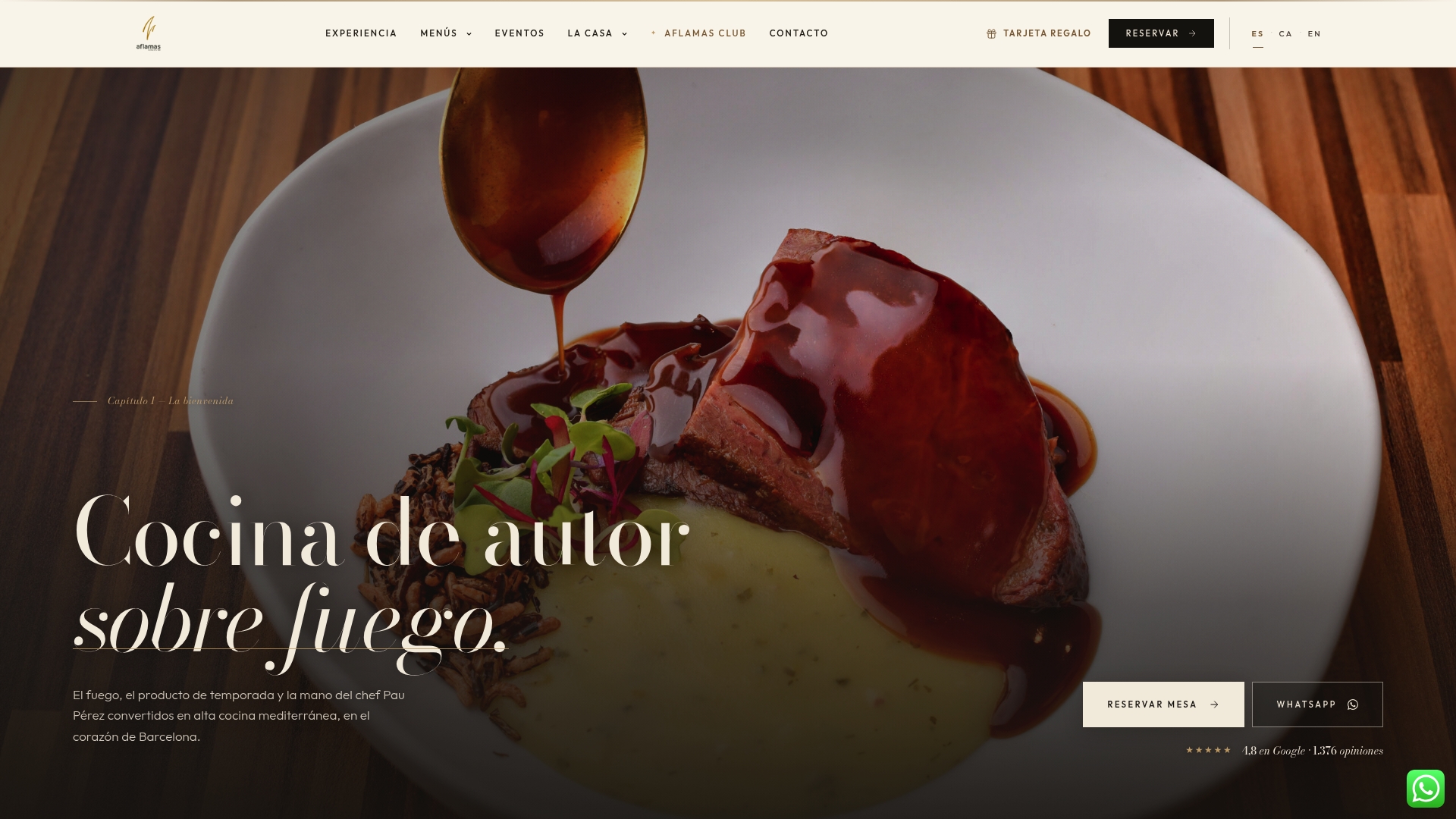
A few ways to build a celebration around us instead of an outside cake:
- Reserve our Menú Grupos for private-room group celebrations with dessert built into the sequence.
- Choose Menú Selección Autor at 90 EUR per person for a chef-driven tasting experience that includes dessert.
- Pick Menú Festival at 150 EUR per person for a seasonal, multi-course celebration.
- Add a gift card if you’re planning the celebration for someone else.
Booking a group menu also tends to simplify the math: once dessert is part of the package, there’s no separate fee to negotiate and no timing to coordinate with an outside delivery. For groups and private events, our Menú Grupos page is the fastest way to check availability and start planning.
FAQ
Can you always bring a cake into a restaurant?
Not always. Many restaurants allow it with advance notice and a cakeage fee, but some fine dining venues prefer to handle dessert themselves as part of a sequenced tasting menu.
What is a cakeage fee and how much does it usually cost?
A cakeage fee is a charge restaurants apply when you bring your own cake instead of ordering dessert from them, covering plating, service, and cleanup. The amount varies by venue and is often shown as a flat rate or a per-person charge, so confirming it directly with the restaurant is the only reliable way to know the cost.
Do I need to tell the restaurant about allergens in my cake?
Yes, providing an ingredient list when you bring a cake helps kitchen staff avoid cross-contact with other dishes and speeds up coordination on the day. This matters even more when other guests at your table have dietary restrictions the restaurant is already managing.
What if the restaurant doesn’t allow outside cakes?
Many restaurants offer their own celebration desserts or tasting menus as an alternative, which can simplify timing and service compared to coordinating an outside cake. Booking a group or tasting menu in advance, such as Menú Selección Autor, often includes a dessert course built into the meal.
How far ahead should I tell a restaurant I’m bringing a cake?
Most restaurants ask for a few days’ to a week’s notice so staff can plan refrigeration and timing. Calling again on the day of your reservation to confirm the arrangement is still a good habit, especially for bookings made weeks in advance.