A great tasting menu wine pairing matches each course by intensity and builds toward a coherent progression, not a rigid white-then-red script. That means light, acid-driven wines opening the meal, structure and weight building through the middle courses, and something sweet or aromatic closing it out. Tasting pours stay small so your palate holds up over eight or nine courses. The best pairings bend these rules when a chef and sommelier have a deliberate reason to.
TL;DR:
- The best tasting menu wine pairings prioritize matching the wine’s intensity to the dish’s flavor strength, not simply the main protein.
- Small tasting pours, typically three ounces, help prevent palate fatigue over multiple courses, with water and palate cleansers further resetting sensitivity.
- Pairings based on affinity, contrast, bridge, or intensity matching should be tailored to each course’s dominant flavor component and cooking method.
- Modern menus often break traditional sequence rules, serving wines in course-specific order that preserves the meal’s sensory flow rather than sticking to white-before-red.
- Prioritizing structural fit and communication with the sommelier, including dietary needs and sharing plans, results in more coherent and memorable wine experiences.
Table of Contents
- What Makes a Tasting Menu Wine Pairing Work
- Sequencing and Service: How Tasting Pours Actually Work
- Which Wines Actually Work With Common Tasting Courses
- How a Sommelier Actually Builds the Flight
- Aflamas in Practice: Pairing Principles at the Table
- Handling Palate Fatigue Across a Long Tasting Menu
- Why the Best Pairings Feel Like Storytelling, Not Chemistry
- Book a Pairing Experience Built Around These Principles
- Sources
What Makes a Tasting Menu Wine Pairing Work
Sommeliers work from four basic strategies, and knowing them is the fastest way to understand (or question) any pairing put in front of you.
Affinity pairing matches similar characteristics: a crisp, mineral Albariño next to a plate of raw oysters, both briny and clean. Contrast pairing does the opposite on purpose: a touch of sweetness in a Riesling cutting against the heat of a spiced dish, or bubbles slicing through something fried and rich. Bridge pairing is subtler and increasingly common in high-end kitchens: a sauce reduced from the same wine in the glass, or a wine chosen because it shares an aromatic compound with an ingredient on the plate, creating a seamless transition between the two. And then there’s intensity matching, the workhorse principle behind most professional pairing decisions: light dishes get light wines, richer dishes get more structure, regardless of what protein happens to be on the plate.
That last point trips up a lot of home cooks and diners alike. The instinct is to pair by protein, “red wine with meat, white wine with fish,” but professionals pair by the dominant flavor component instead. A butter-poached lobster behaves more like a rich, fatty dish than a delicate seafood one, so it might call for a fuller white or even a light red. Wine Folly’s pairing framework puts it simply: match the sauce, not the protein, choose a wine with more acid than the food, and make sure any dessert wine is at least as sweet as the dessert itself.
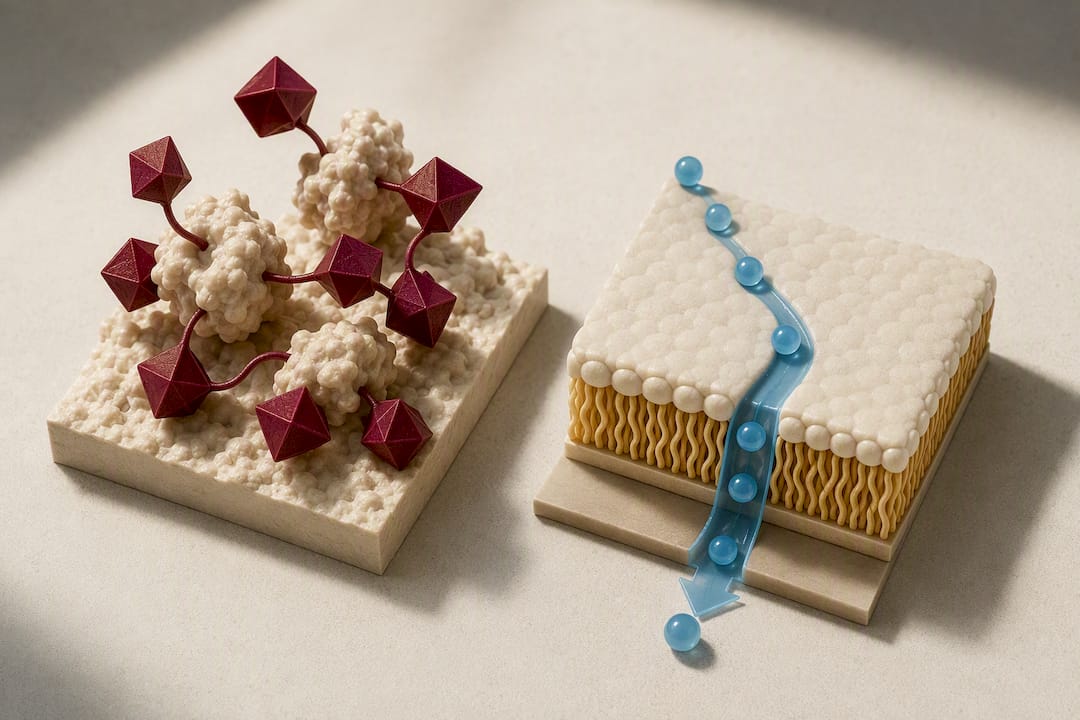
There’s real chemistry behind why some of these pairings feel effortless. Tannins in red wine bind to proteins in food, which is why a tannic Cabernet tastes smoother next to a steak than it does on its own. Research on phenolic compounds and salivary proteins shows tannins preferentially attach to proteins in food and saliva, softening the astringency you’d otherwise feel. Acidity works differently. It cuts through fat and resets your palate, which explains why a bright, high-acid white can make a creamy sauce taste lighter than it actually is.
Pro Tip: If a course tastes flat after a sip of wine, the pairing probably has a mismatch in intensity, not flavor. Try a wine with more acid or more weight before assuming the combination itself is wrong.
A few principles worth keeping in mind at the table:
- Match intensity first: a delicate dish overwhelmed by a big wine loses its own identity, and vice versa.
- Acidity in the wine should generally exceed the acidity of the dish, or the food will taste sharper than intended.
- Sweetness in the wine needs to match or exceed the dessert’s sweetness, or the wine will taste sour by comparison.
- Sommelier curricula often teach a deductive method: assess the dish’s weight and structure before layering in aromatic or regional narrative.
Sequencing and Service: How Tasting Pours Actually Work
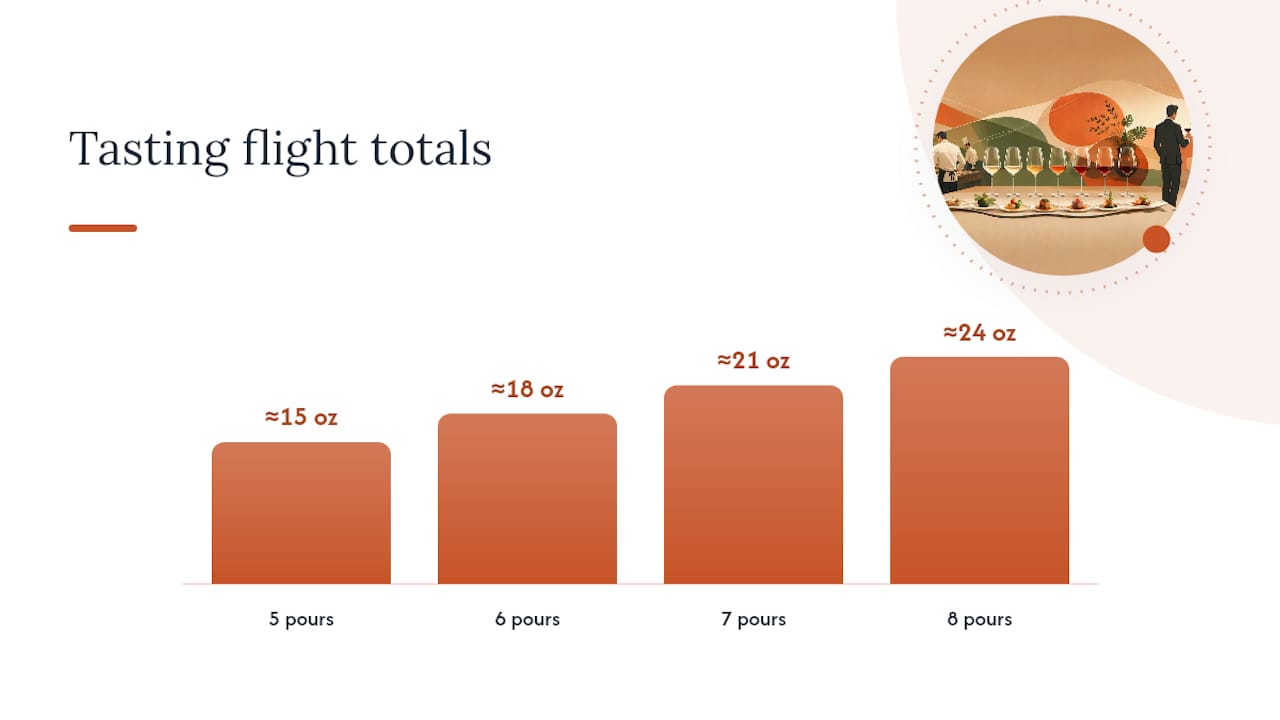
Pairing menus are built around small, deliberate pours, usually around three ounces each, spread across five to eight glasses over the course of a meal, according to a breakdown of how wine pairing menus are structured. That’s not a hospitality gimmick. It’s a calculated way to let you taste eight distinct wines without ending the meal unable to taste anything at all.
The standard progression still holds most of the time: sparkling or light white to open, building through fuller whites, rosé, or light reds in the middle, then something with real structure alongside the main course, and a dessert wine or digestif to close. But that order isn’t sacred. Modern tasting menus increasingly favor course-specific harmony over the old white-before-red rule, and a sommelier will happily break sequence if it preserves the sensory arc of the meal, a point Le Cordon Bleu’s pairing guidance makes directly. A light red before a heavier white isn’t a mistake if the dish calls for it.
A few practical things happen behind the scenes that most diners never notice:
- Glassware changes between pours, not just for show, but because bowl shape and rim width genuinely change how a wine’s aromatics reach you.
- A water or palate-cleansing moment (sometimes literally a spoonful of sorbet) often appears between the richer courses and the next pour.
- Pour order can shift slightly if a course runs early or late, since the sommelier is tracking your plate, not the clock.
If you’re at the table, a few things make the experience better for everyone. Tell your server up front if you want to share pours rather than drink each one solo. Declare any dietary restrictions or allergies before the first course arrives, not halfway through, since substitutions often need lead time. And if a pairing genuinely isn’t landing for you, say so. A good sommelier would rather swap a glass than watch you push it aside.
Which Wines Actually Work With Common Tasting Courses
Some pairings are close to universal starting points. Others depend heavily on how a dish is prepared. Here’s a working reference for the course types that show up again and again on tasting menus.
Raw or lightly cooked seafood, like oysters or crudo, wants something bone-dry and high in acid. A Muscadet or unoaked Albariño works because it echoes the brininess without competing with it. Shellfish in a cream or butter sauce needs more weight to match the richness, so a lightly oaked Chardonnay or a structured Chablis holds up better than something too lean.
Vegetable-forward or green courses, think asparagus, artichoke, or a bright herb-driven salad, are notoriously tricky because certain compounds in green vegetables can make wine taste metallic. A grassy Sauvignon Blanc tends to survive that clash better than most whites, since its own herbal notes align with the dish instead of fighting it.
Mushroom and other umami-heavy courses lean toward earthy, lower-tannin reds like Pinot Noir, or an aged, less fruit-forward white. Umami tends to flatten fruit-driven wines, so something with more earth and less sweetness on the fruit tends to hold its shape better.
Charred or fatty mains are where tannin does its real work. A grilled steak or duck breast with a caramelized crust wants a wine with enough tannin to bind those proteins and cut the richness, a Malbec, Syrah, or a structured Rioja among the common choices.
Dessert courses need a wine that’s at least as sweet as the plate, or the wine reads as sour. A late-harvest Riesling or a Pedro Ximénez sherry both work because they exceed the dessert’s sugar level rather than matching it exactly.
| Course type | Primary pick | Alternative | Budget-friendly option |
|---|---|---|---|
| Raw seafood / oysters | Muscadet | Unoaked Albariño | Cava |
| Shellfish in cream sauce | Chablis | Lightly oaked Chardonnay | Txakoli |
| Green vegetable courses | Sauvignon Blanc | Grüner Veltliner | Vinho Verde |
| Mushroom / umami dishes | Pinot Noir | Aged White Rioja | Beaujolais |
| Charred or fatty mains | Syrah | Malbec | Tempranillo |
| Dessert courses | Late-harvest Riesling | Pedro Ximénez | Moscato d’Asti |
Sparkling wines and dry rosé deserve special mention as crossover players. Cava, in particular, earns its reputation as a workhorse at the table: its acidity and fine bubbles cut through fried, fatty, or creamy textures almost regardless of what’s on the plate, which is why it often shows up at both the start of a tasting menu and again as a palate reset midway through. A dry rosé does something similar for lighter grilled dishes that fall between fish and red meat territory.
How a Sommelier Actually Builds the Flight
Every well-built pairing flight starts with an assessment, not a wine list. Before a sommelier picks a single bottle, they’re running through the same checklist for each course: how intense is the dish, what’s the dominant taste (salt, fat, acid, umami, sweetness), what’s the texture, how was it cooked, and what’s in season right now.
That order matters. A sommelier working at a serious level follows something close to what’s known as the deductive tasting method: structural fit comes first, aromatic storytelling comes second. Here’s roughly how the decision tree runs in practice:
- Weigh the dish’s intensity and body, and rule out any wine that’s clearly too light or too heavy.
- Identify the dominant taste component, usually the sauce or preparation method rather than the base protein.
- Check texture and cooking method: raw versus seared versus braised changes what the wine needs to do.
- Factor in seasonality, both for the ingredient and for what feels right in the glass.
- Only after structural fit is settled, layer in a regional or narrative connection, a wine from the same region as an ingredient, for instance.
Prestige and price come last, not first. Fine-dining pairing practice consistently prioritizes structural fit over bottle reputation, and a good sommelier would rather serve a lesser-known wine that fits perfectly than a famous label that fights the dish, according to guidance from the Fine Dining Authority.
Pro Tip: If a pairing flight feels out of your budget, ask the sommelier for a substitution within the same structural profile. A well-trained sommelier can usually find a wine with the same acid, tannin, and body at a lower price point without breaking the logic of the pairing.
Substitutions are normal, not a downgrade. If a specific vintage isn’t available or a bottle runs over budget, asking for “something with similar structure” gets you a far better result than asking for “something cheaper.” The Wild Foodz guide to designing culinary experiences makes a similar point about narrative consistency: the story a menu tells matters as much as any single ingredient, and a thoughtful substitution rarely breaks that story.
Aflamas in Practice: Pairing Principles at the Table
Aflamas builds its tasting menus around fire-driven, contemporary cooking rooted in local Catalan ingredients, and pairing decisions follow the same logic outlined above rather than a fixed script. The chef’s approach leans on live-fire technique, which changes how a dish reads on the palate compared to the same ingredient cooked another way, and that shift gets factored directly into pairing choices.
A few illustrative examples of how this plays out, offered as models rather than a fixed menu:
- A delicate seafood course cooked briefly over flame might call for a wine with enough acid to cut through the smoke without overwhelming the fish itself, closer to how Muscadet or Albariño function above.
- A charred, fat-forward main course benefits from a wine with real tannin structure, the kind that binds proteins and softens on the palate rather than clashing with the char.
- Seasonal shifts in the seasonal menu change which wines make sense course to course, since a winter root vegetable course and a summer tomato course call for very different structural choices even if the cooking technique is identical.
If you’re booking a table and want the pairing tailored well, tell the sommelier what you actually drink and avoid, note any allergies or dietary restrictions (Aflamas accommodates vegetarian, vegan, gluten-free, and lactose-free needs), and mention up front if your table plans to share pours rather than each order a full flight. The more specific you are before the meal starts, the better the flight fits.
Handling Palate Fatigue Across a Long Tasting Menu
Eight or nine courses in, even a well-built flight can start to blur together, and that’s a known challenge in multi-course pairing, not a sign something went wrong. Palate fatigue happens when repeated exposure to tannin, acid, or alcohol dulls your sensitivity, and it tends to hit hardest in the middle of a long menu rather than at the start or end.
A few things counter it effectively. Small tasting pours help by default, since three ounces of wine leaves you far less saturated than a full glass would by course six. Water between pours matters more than most diners realize, not just for hydration but because it genuinely resets baseline sensitivity. Bread or a neutral palate cleanser, sometimes a spoonful of sorbet between richer courses, does similar work by clearing residual fat and tannin before the next pour arrives.
Pacing helps too. If courses are moving quickly, ask the sommelier to slow the wine service slightly rather than the food. And if a particular pour tastes muted to you, that’s often fatigue talking, not a flaw in the wine. Mentioning it lets the sommelier adjust, sometimes with a smaller pour or a slightly more assertive wine that cuts through more easily.
Alcohol matters here too. A flight that leans on higher-alcohol wines in every glass accelerates fatigue faster than one that varies alcohol levels deliberately, which is one more reason a thoughtful sequence matters more than any single spectacular bottle.
Why the Best Pairings Feel Like Storytelling, Not Chemistry
The technical side of pairing gets the most attention because it’s teachable: match acid, respect tannin, watch intensity. But the pairings that actually stick in memory usually do something the chemistry alone can’t explain. A wine chosen because it echoes a childhood memory of a region, or a bottle poured specifically because it mirrors an ingredient’s origin, turns a single course into the moment a diner talks about weeks later.
That’s the part worth chasing at the table. A pairing built purely on structural correctness can still feel flat if there’s no narrative behind it, while a slightly imperfect pairing chosen for its story often lands harder emotionally. Seasonality and provenance work as narrative tools precisely because they give a flight coherence beyond just getting the acid levels right.
The practical takeaway: treat the sommelier as a collaborator, not a vending machine. Say what you’re celebrating, mention a wine that means something to you, and stay open when they suggest a substitution that breaks from the obvious choice. The best flights come from that back-and-forth, not from a printed pairing sheet followed to the letter.
— YellowRock
Book a Pairing Experience Built Around These Principles
These pairing principles are put into practice through tasting menus designed with chef and sommelier working side by side, course by course, rather than a wine list handed over separately from the kitchen. Adaptations for vegetarian, vegan, gluten-free, and lactose-free diets come standard, so dietary needs can shape the pairing from the start instead of forcing a last-minute swap.
Beyond the tasting menu itself, the signature menu offers a flagship version of the same chef-driven, fire-based cooking for diners who want the full experience. A gift card works well if you’d rather introduce someone else to a properly paired tasting menu, and private groups or celebrations can be arranged directly through the restaurant. To get a flight tailored to your table, reserve online and note any dietary needs, wine preferences, or sharing plans when you book. That single detail, added at reservation time, is usually what separates a good pairing from a forgettable one.
Sources
For readers who want to go deeper into the mechanics covered here, these sources shaped the guidance above:
- 8 tips for wine pairing — Le Cordon Bleu
- Getting started with food and wine pairing — Wine Folly
- Interaction of phenolic compounds and salivary proteins — PMC