Palate fatigue is a temporary desensitization of taste and smell that usually resets with brief sensory contrast, such as water, a neutral cracker, or a shift in temperature and texture. It shows up during long wine tastings, multi-course dinners, repetitive daily meals, and endurance events fueled by the same gel or drink for hours. The fix is rarely complicated: pause for 60 to 90 seconds, cleanse with something plain, then reintroduce contrast before your next bite or sip.
TL;DR:
- Repeating similar flavors without contrast can cause underlying taste and smell desensitization that diminishes flavor intensity within minutes.
- Olfactory adaptation often occurs faster than taste adaptation, leading to a noticeable decrease in perceived aroma even when receptor signals remain steady.
- Alternating temperature, texture, and flavor intensity, along with short breaks, effectively restores taste and smell sensitivity during long tastings or meals.
- True taste loss due to medical conditions is persistent and differs from temporary palate fatigue, which can be reset with simple contrast strategies.
- Chefs design menus with deliberate contrast and pacing to prevent sensory overload, ensuring each course remains distinct and enjoyable.
Table of Contents
- What Causes Palate Fatigue in the Mouth and Brain
- Where Palate Fatigue Shows Up Most Often
- Is It Palate Fatigue or Something Else?
- How to Reset Taste Buds During a Meal, Tasting, or Race
- How Chefs Design Menus to Prevent Sensory Overload
- Three Things to Try Before Your Next Big Meal
- Book a Tasting Menu Sequenced to Keep Every Course Distinct
- Sources
- FAQ
What Causes Palate Fatigue in the Mouth and Brain
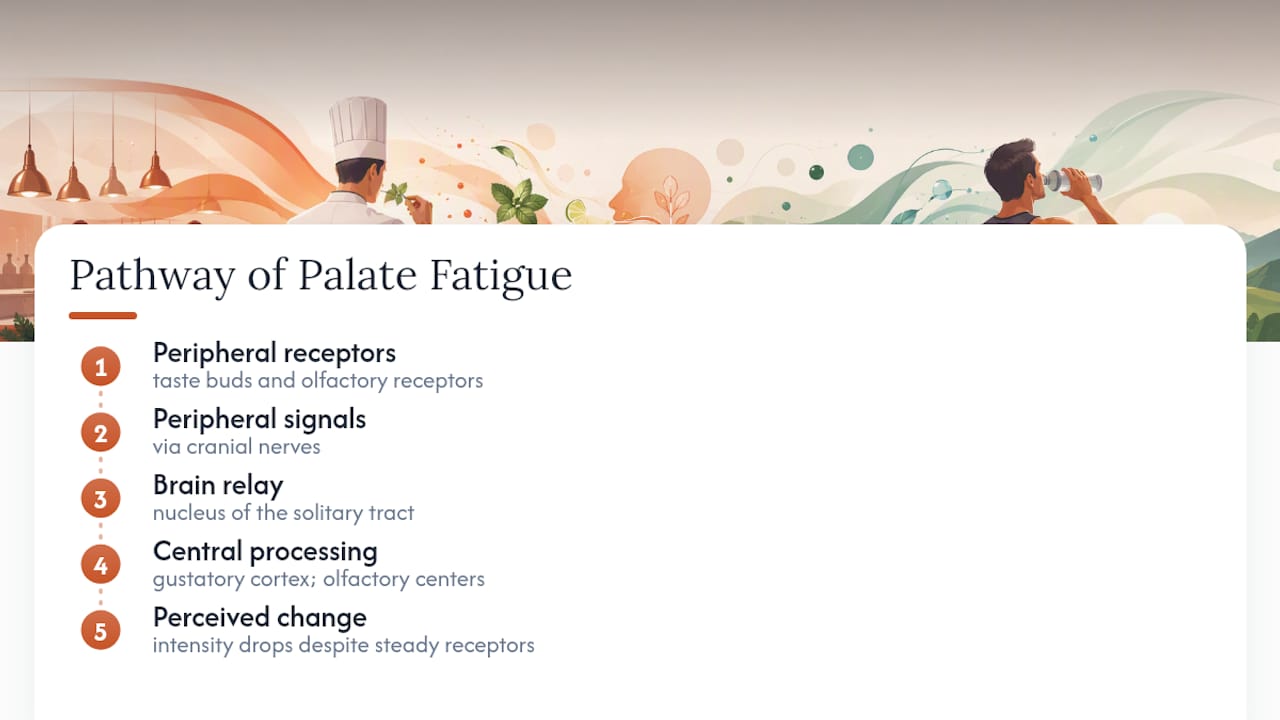
Palate fatigue starts at the receptor level and finishes in the brain. Taste buds sit on the tongue, soft palate, and epiglottis, sending signals through cranial nerves to the nucleus of the solitary tract and on to the gustatory cortex. Repeated exposure to the same flavor compound reduces the strength of that signal at both the peripheral (receptor) and central (brain-processing) levels.
Smell plays an outsized role here. Since flavor is mostly aroma, olfactory adaptation often outpaces taste adaptation. Research on repeated odor exposure found that perceived intensity ratings dropped noticeably even when the receptor-level signal (measured by electro-olfactogram) held steady, pointing to a strong central habituation component rather than a purely peripheral one. Your nose gets bored before your nose actually gives up.
This is distinct from sensory-specific satiety, the well-documented drop in pleasantness for a specific food as you eat it, even while your appetite for other foods stays intact. It’s a targeted decline, not general fatigue, and it’s the mechanism behind why a varied buffet tempts you to eat more than a single dish ever could. Multi-course, varied meals can push intake up by roughly 60% compared with single-course meals, according to research summarized in a review of sensory-specific satiety. Emerging cellular research also suggests sweet-taste adaptation involves direct signaling between taste cells, adding a molecular layer to a phenomenon long explained only in behavioral terms.
Where Palate Fatigue Shows Up Most Often
Some situations are built to produce flavor exhaustion faster than others. The common thread is repetition without contrast.
- Wine tastings. Pouring similar varietals back to back accelerates both olfactory and taste desensitization, especially with high-tannin reds or heavily baked whites tasted in sequence.
- Tasting menus. A poorly sequenced menu that stacks rich, fat-forward, or umami-heavy courses in a row triggers sensory-specific satiety early, dulling the last few plates regardless of how well they’re cooked.
- Repetitive home cooking. Eating the same three or four meals on rotation for weeks produces a slower, cumulative version of the same effect. This “long-term sensory-specific satiety” quietly reduces overall food enjoyment and can shrink appetite for that food specifically.
- Endurance sport. Athletes who rely on the same sweet gel or drink mix for a marathon or long ride often hit a point where the flavor becomes genuinely unappealing, sometimes to the point of gagging on it. Rotating flavor profiles, and switching carbohydrate sources between glucose and fructose blends, is standard coaching advice for exactly this reason.
Each context shares a root cause: your sensory system is wired to reward variety and punish sameness, whether that sameness lasts twenty minutes at a tasting table or twenty miles into a race.
Is It Palate Fatigue or Something Else?
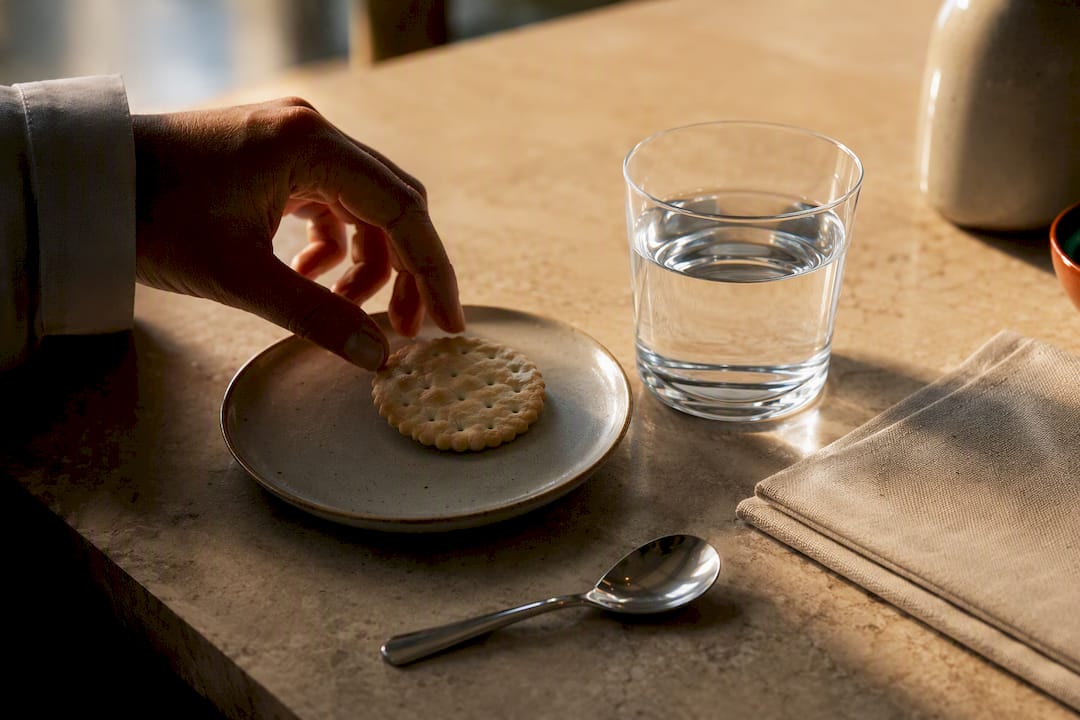
Palate fatigue has a specific fingerprint: flavors feel muted rather than absent, the dullness is limited to what you’ve been repeatedly tasting, and a contrasting bite or sip restores intensity almost immediately. If a sip of water and a neutral cracker bring the next taste back into focus, that’s ordinary sensory adaptation.
True taste loss looks different. Persistent, uniform dulling across all foods, sudden loss of smell that doesn’t lift, or distorted tastes (metallic, bitter, phantom flavors) point toward clinical conditions like ageusia or dysgeusia. Documented causes include certain medications, neurological conditions, nutrient deficiencies, aging, and tobacco use, according to a clinical overview of taste disorders. If dullness persists for days, affects everything you eat, or comes with other neurological symptoms, that’s a conversation for a doctor, not a palate cleanser.
How to Reset Taste Buds During a Meal, Tasting, or Race
Recovery from palate fatigue is usually fast because the underlying desensitization is temporary. The tactics differ slightly depending on context, but the underlying logic is always contrast.
- Reach for a true neutral first. Plain water, an unsalted cracker, or compressed cucumber resets the mouth without adding a competing flavor. Sparkling water or a squeeze of citrus can cut through fat and richness faster than still water alone.
- Use temperature and texture as tools. A cold, crisp bite after a warm, soft course reactivates attention even before the flavor compounds change. This is why sorbet still shows up between courses at serious tasting menus.
- Sequence for contrast, not just quality. Order wine flights from lighter to fuller-bodied, and alternate acid, sweet, salty, and umami notes across a tasting menu instead of grouping similar profiles together.
- Take a real pause. A 60 to 90 second break between similar pours or courses gives the olfactory system time to partially recover before the next stimulus arrives.
- Rotate flavors during endurance efforts. Switching between two or three gel or drink flavors, alternating carbohydrate types, or adding a small salty bite breaks the monotony that leads athletes to reject fuel mid-race.
- Support recovery with basic habits. Staying hydrated, keeping nasal passages clear, and avoiding smoking all help preserve baseline sensitivity over the long term.
Pro Tip: Before a big tasting or dinner, skip strong coffee, mint gum, or heavily flavored lip balm in the hour beforehand. They create their own baseline adaptation before you’ve even taken the first sip.
How Chefs Design Menus to Prevent Sensory Overload
Professional kitchens treat sequencing as seriously as seasoning. At Aflamas, courses are built around deliberate contrast: temperature swings, acid against richness, a lighter fire-cooked dish following something denser, so no two plates compete for the same sensory territory in a row.
- Palate resets are built into the signature menu structure rather than left to chance between courses.
- Vegetarian, vegan, gluten-free, and lactose-free adaptations are designed to preserve the same variety and contrast as the standard sequence, not a simplified version of it.
- Diners booking a tasting menu can request pacing adjustments, smaller pours between courses, or extra spacing if they know their palate fatigues quickly during long meals.
Three Things to Try Before Your Next Big Meal
Palate fatigue gets treated like a mystery when it’s really just biology asking for variety. Three moves cover most situations: sip water and take one contrasting bite between similar dishes, pause 60 to 90 seconds when you notice flavors flattening, and deliberately change the next course’s temperature or texture rather than repeating the last one. Try each on its own the next time you’re at a long dinner or wine flight, and notice which one brings your palate back fastest. A hospitality-focused guide to culinary experiences covers similar sensory-design thinking if you want more context on how kitchens build a full evening around it.
— YellowRock
Book a Tasting Menu Sequenced to Keep Every Course Distinct
Most home cooks and even some tasting menus fight palate fatigue with guesswork, hoping variety happens to land right. The menu sequencing alternates elements like intensity, acid, temperature, and texture course by course to keep each plate distinct.
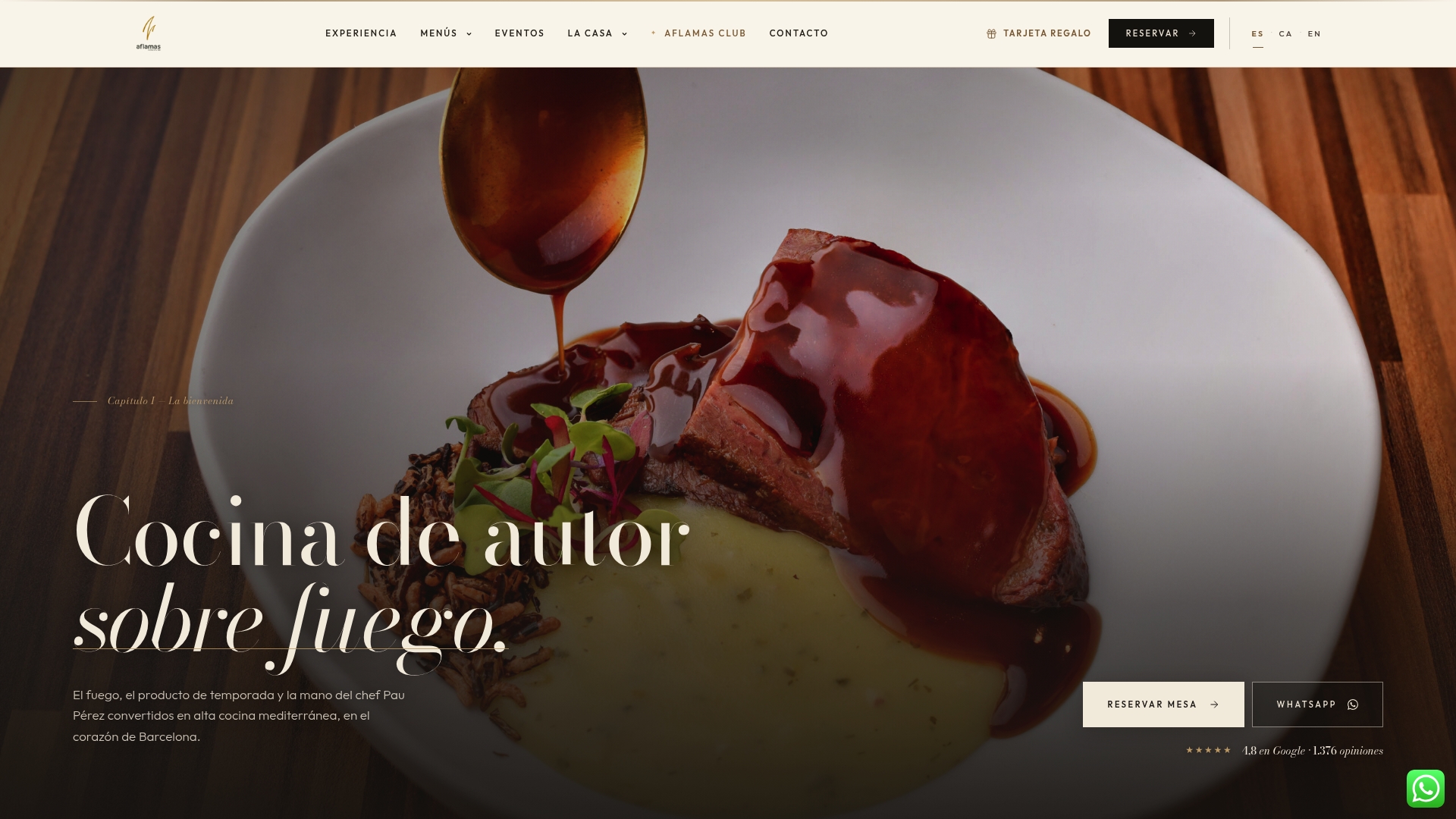
The tasting menu is the clearest way to experience that sequencing firsthand, and diners with dietary needs (vegetarian, vegan, gluten-free, or lactose-free) get the same contrast built into their adapted courses. Guests can discuss pacing preferences when booking to help manage palate fatigue during long meals. For a shorter introduction to the concept, the Menú Ejecutivo at €35 per person offers a compact version of the same sequencing logic. Reserve a table through the tasting menu page to try it yourself.
Sources
- Sensory specific satiety: More than ‘just’ habituation? – PMC
- Smell and Taste – Central and Peripheral Neurophysiology – Ganong’s Review of Medical Physiology
- Olfactory adaptation / habituation study (Springer)
- PubMed clinical overview of taste disorders
FAQ
What is palate fatigue?
Palate fatigue is a temporary dulling of taste and smell caused by repeated exposure to similar flavors, driven by receptor desensitization and olfactory adaptation. It typically resolves within minutes once you introduce a contrasting flavor, temperature, or texture.
What are the different types of fatigue related to taste?
The main distinction is between temporary sensory adaptation (palate fatigue and sensory-specific satiety, both reversible) and clinical taste disorders like ageusia or dysgeusia, which are persistent and linked to medication, neurological conditions, or deficiencies, per a clinical overview of taste disorders. The first responds to a palate cleanser; the second needs medical evaluation.
What is taste fatigue and how is it different from smell fatigue?
Taste fatigue refers narrowly to reduced sensitivity in taste receptors on the tongue and palate, while smell fatigue (olfactory adaptation) affects the nose and often happens faster since flavor perception leans heavily on aroma. Both contribute to the overall sensation people describe as palate fatigue during a long tasting.
Why do I feel extremely tired after eating pasta?
That post-meal heaviness is usually about digestion and blood sugar response to a large carbohydrate load, not palate fatigue, which affects flavor perception rather than energy levels. If it happens consistently after specific foods, it’s worth mentioning to a doctor rather than assuming it’s sensory related.
Does Aflamas accommodate dietary restrictions on its tasting menus?
Yes, Aflamas adapts its tasting menus for vegetarian, vegan, gluten-free, and lactose-free diners while preserving the same course-to-course contrast built into the standard sequence. Details and current offerings are available on the tasting menu page.