If you’re unsure what to wear to fine dining, aim for understated, slightly overdressed elegance. Confirm the restaurant’s stated dress code where possible, and when nothing is posted, lean toward a blazer for men or a tailored dress for women. Expect a range of dress codes from smart casual upward. Check your reservation confirmation first, and if it says nothing, call the restaurant directly.
TL;DR:
- Higher-priced tasting menus often require jackets or cocktail attire, especially if the restaurant has white tablecloths, low lighting, or a formal vibe.
- Avoid athletic wear, flip-flops, offensive graphics, ripped clothing, and baseball caps, as these are almost universally unacceptable at upscale restaurants.
- For occasions like dates or business dinners, a blazer or tailored outfit with minimal accessories generally suffices, with layering options helping to adapt last-minute.
- Confirm dress code expectations by reviewing reservation notes, restaurant photos, cuisine type, or calling directly, especially if a clear policy is not posted.
- Dressing well signals respect for the chef’s effort and other diners, aligning your presence to the occasion without requiring formal dress in most cases.
Table of Contents
- What Are the Main Fine Dining Dress Code Tiers?
- How Do You Read an Unwritten Dress Code?
- What Should You Never Wear to an Upscale Restaurant?
- What Should You Wear for Common Fine Dining Occasions?
- How Does Aflamas Signal Its Expected Dress Code?
- Why Dressing Well for Fine Dining Still Matters
- Ready to Book Your Next Tasting Menu?
- Sources
What Are the Main Fine Dining Dress Code Tiers?
Restaurant dress codes run on a fairly consistent ladder: casual, smart casual, business casual, cocktail or elegant, jacket required, and black tie. Each rung carries its own unwritten rules, and the tier system itself is fairly standardized across most upscale dining rooms, even if individual restaurants blend two tiers together.
Here’s how each one translates into an actual outfit:
- Casual: Clean jeans, a collared shirt or nice top, leather sneakers or loafers. Skip anything athletic or beach-ready.
- Smart casual: The most misread tier on this list. For men, dark chinos or tailored trousers, a button-down or quality knit, leather shoes, no sneakers unless minimal and clean. For women, a midi dress, tailored pants with a blouse, or a skirt with flats or low heels.
- Business casual: Blazer optional but welcomed, dress shirt or blouse, tailored trousers or a knee-length dress, closed-toe shoes.
- Cocktail or elegant: A dark suit or sport coat with dress shoes for men; a cocktail dress, elegant jumpsuit, or dressy separates with heels or polished flats for women.
- Jacket required: Exactly what it says. A structured blazer or suit jacket is mandatory for men, dress shirt underneath, and ties are sometimes optional. Women typically match with a cocktail dress or dressy suit.
- Black tie: Tuxedo for men, floor-length or formal cocktail dress for women. Rare outside of galas or milestone events, but some restaurants specify it for New Year’s Eve or holiday tastings.
Dark, clean jeans and minimal leather sneakers occupy a gray zone that works for smart casual and sometimes business casual, but they’re a gamble at cocktail level or above. When a restaurant doesn’t specify, treat jeans as a coin flip you don’t want to lose.
How Do You Read an Unwritten Dress Code?
Most fine dining restaurants never post an explicit dress code, so you’re left reading between the lines. Four signals consistently predict what’s expected, and checking them takes less time than picking an outfit does.
- Average price per person. Higher-priced tasting menus tend to signal cocktail attire or jacket required as they usually correlate with a formal room and formal service.
- Room photos. Look at the restaurant’s website or Instagram. White tablecloths, low lighting, and upholstered chairs point toward elegant dress; exposed brick and communal tables suggest smart casual.
- Cuisine style. A tasting-menu concept built around technique and presentation generally expects more effort than a neighborhood bistro, even at similar price points.
- Booking difficulty. If reservations require weeks of notice or a credit card hold, that friction usually maps to a dressier room.
Quick fact: Once a tasting menu crosses that roughly $150 per person mark, jacket-required or cocktail-level dress becomes far more common than at more casual tasting formats.
None of these signals beat the actual source. Reservation confirmations and the restaurant’s own booking page are the final word, and a two-minute call to the host resolves almost any lingering doubt faster than scrolling through photos.
What Should You Never Wear to an Upscale Restaurant?
Certain items get you turned away or, at minimum, an uncomfortable look from the host stand. Athletic wear, flip-flops, pool or beach attire, clothing with offensive graphics, and baseball caps sit on nearly every fine dining restaurant’s unofficial no list, and many venues enforce this even under a relaxed policy. Ripped or heavily distressed clothing falls into the same category unless it reads as intentionally tailored rather than worn out.
Grooming matters almost as much as the outfit itself. Skip heavy cologne or perfume, since chef-driven tasting menus rely on a clean sensory environment that strong scent disrupts for everyone at the table, including you. Noisy jewelry, worn-out sneakers, and scuffed dress shoes undercut an otherwise solid outfit.
- Avoid: gym clothes, flip-flops, swimwear, offensive graphics, baseball caps, ripped jeans or shirts.
- Grooming: light or no fragrance, quiet jewelry, clean and polished shoes.
- If you show up underdressed, ask politely. Some restaurants keep loaner jackets for exactly this situation.
Pro Tip: Call ahead if you’re traveling straight from the airport or a full workday. A five-minute heads-up to the host is far smoother than negotiating at the door in wrinkled travel clothes.
If a host does flag your outfit, the easiest path is a calm, direct question: “Is there anything I can do?” Arguing about a policy rarely changes the outcome, and it’s the fastest way to sour an otherwise good night.
What Should You Wear for Common Fine Dining Occasions?
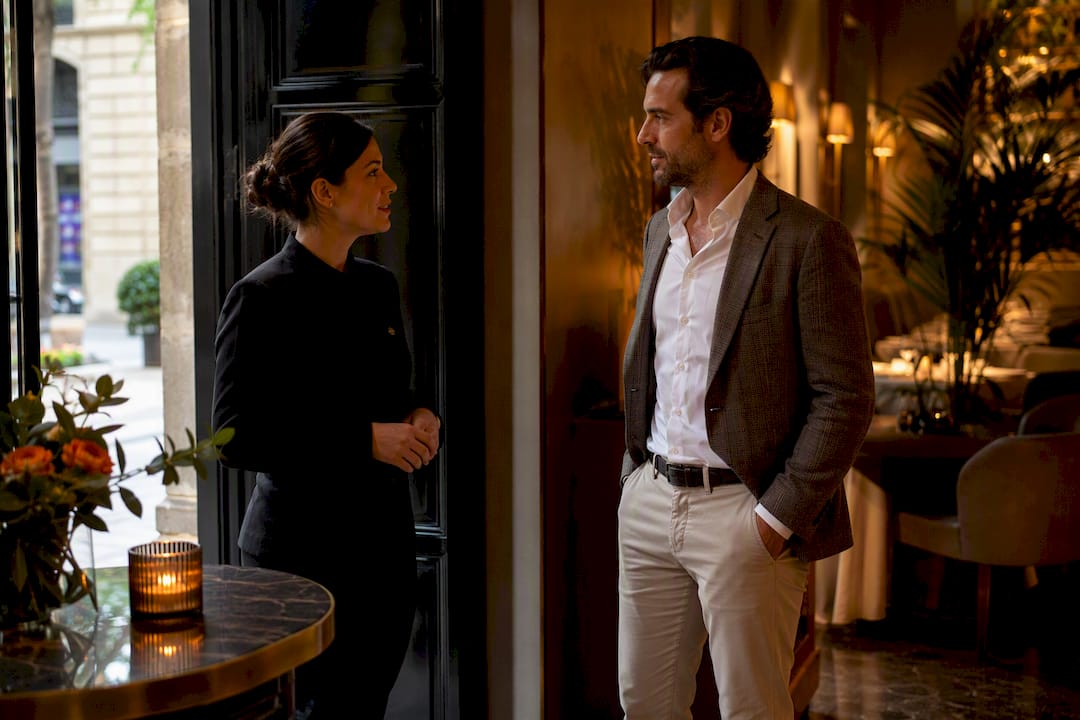
Real outfits work better than abstract rules, so here’s how the tiers play out across the situations that send most people searching for guidance in the first place.
- Date night: A dark blazer over a fitted knit for him, a wrap dress or tailored jumpsuit for her. Breathable fabric matters if the tasting runs past two hours.
- Business dinner: Suit or sport coat with a tie optional for men, a sheath dress or dressy blouse with trousers for women. Keep colors neutral so nothing distracts from conversation.
- Tasting menu at a chef’s counter: Slightly quieter than a main dining room. Skip clattering bracelets, keep fragrance minimal, and choose fabrics that breathe since counter seating runs warmer near an open kitchen.
- Celebrations: Cocktail dresses, dressy separates, or a full suit depending on the room’s formality. This is where slightly overdressed beats slightly underdressed every time.
Layering solves most last-minute problems. A blazer that folds into a bag or briefcase means you can dress down for the commute and dress up the second you’re seated, which matters most on nights that go straight from work to the table.
How Does Aflamas Signal Its Expected Dress Code?
Aflamas, a contemporary tasting-menu restaurant in Barcelona, follows the same pattern most chef-driven dining rooms use: no rigid uniform requirement, but clear cues once you know where to look. The tasting menu format, the reservation notes attached to each booking, and the restaurant’s own photos all point toward smart casual on the relaxed end and cocktail attire on the dressier end, depending on the occasion and seating.
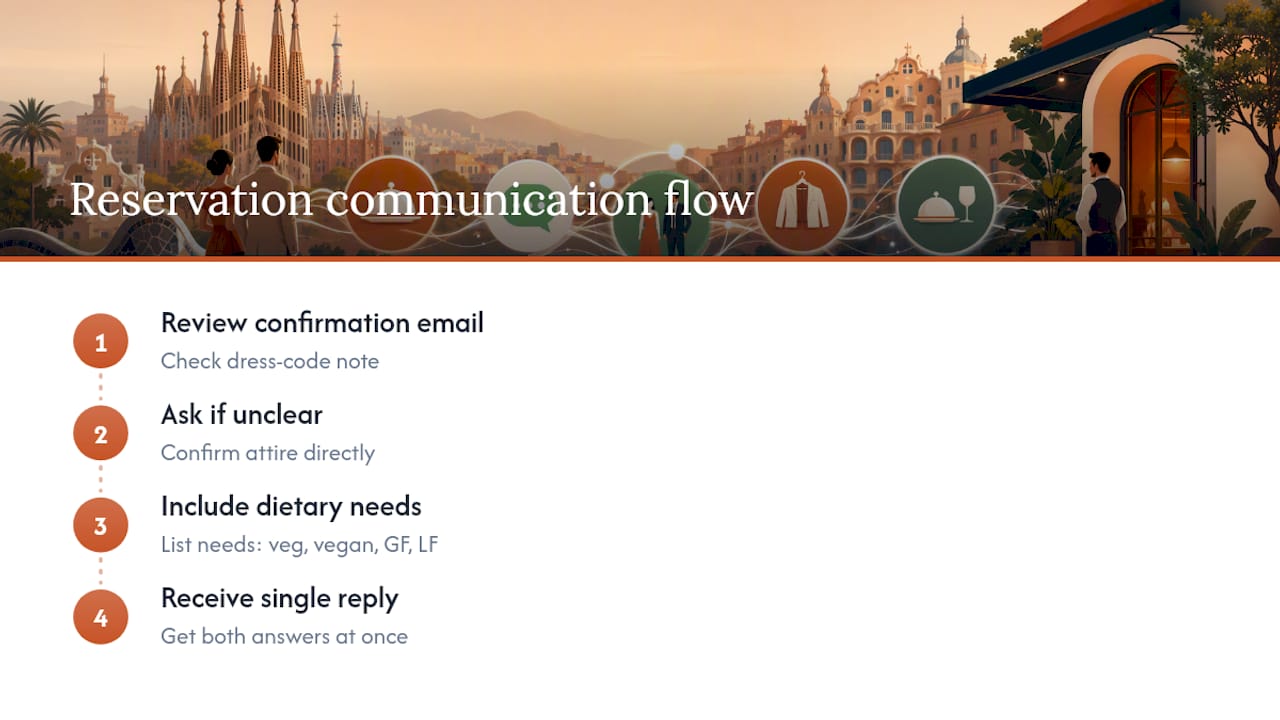
The most reliable move is the same one that works anywhere: read the confirmation email, and if anything’s unclear, ask directly when booking. Aflamas also accommodates vegetarian, vegan, gluten-free, and lactose-free requests, which is worth mentioning at the same time you ask about attire, since both questions get answered by the same quick message.
Why Dressing Well for Fine Dining Still Matters
Modern dining has loosened up, and that’s mostly a good thing. Nobody needs a tie to enjoy a nine-course tasting. But a small amount of effort, a blazer, a real dress, quiet jewelry, does something a casual outfit can’t: it signals respect for the work happening in the kitchen and for the other people sharing the room. The trend toward relaxed standards is real and gastronomy itself keeps evolving alongside it, but a dress code isn’t about vanity. It’s about matching your presence to the occasion, which is exactly what a chef is doing with every course.
— YellowRock
Ready to Book Your Next Tasting Menu?
If you’ve read this far, you already know the drill: smart casual covers most nights at the restaurant, and cocktail attire fits the room comfortably on a celebration night. No guessing required, and no rigid list to memorize before you walk in.
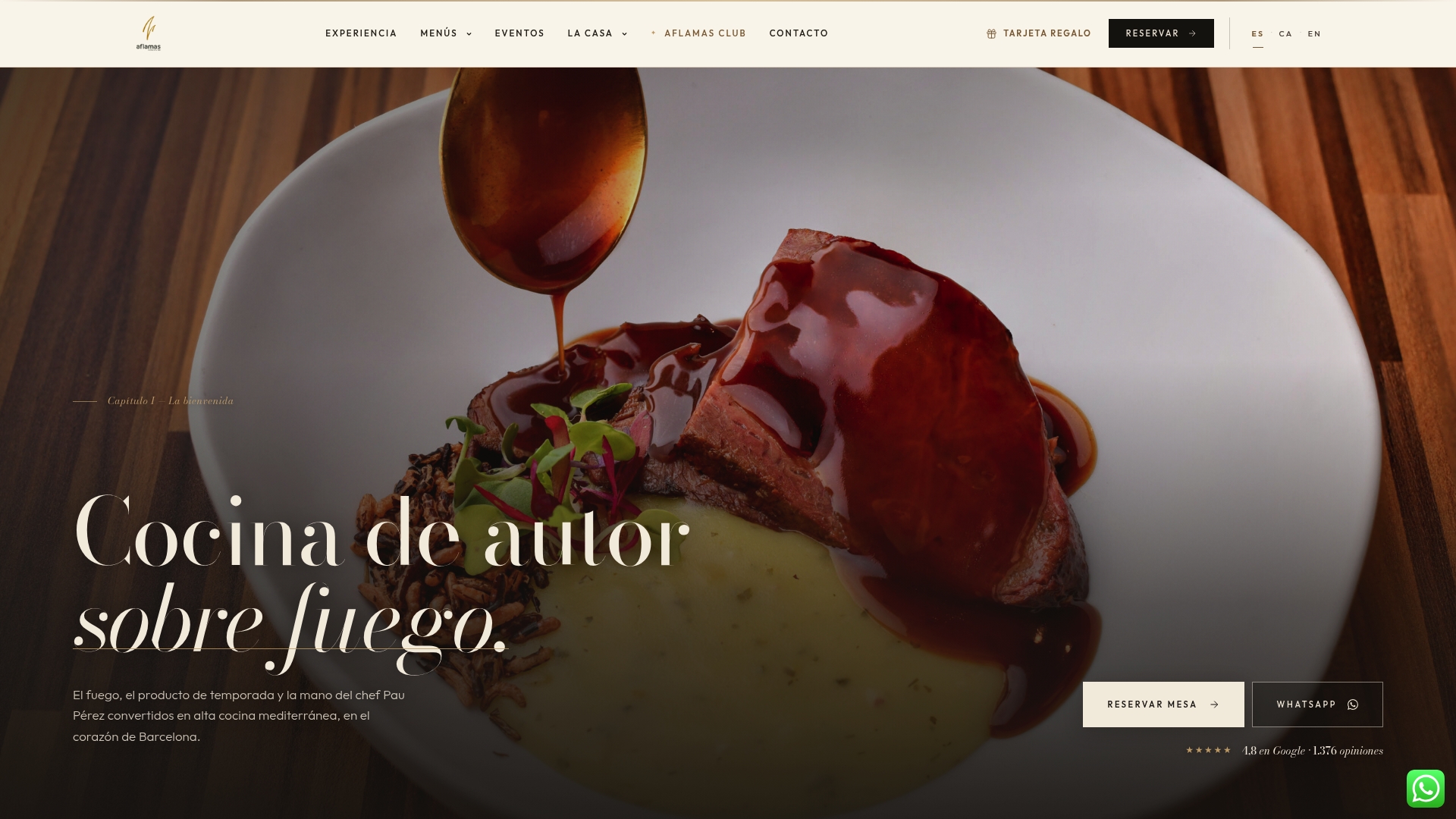
Aflamas runs its multi-course tasting menu in Barcelona with full accommodation for vegetarian, vegan, gluten-free, and lactose-free diets, so the only real decision left is what to wear and when to book. Reservations fill quickly on weekends, and the confirmation email will note anything specific about the room or seating for your date. Check available dates, reserve your table, and pair your outfit choice with whichever tier feels right for the occasion.