
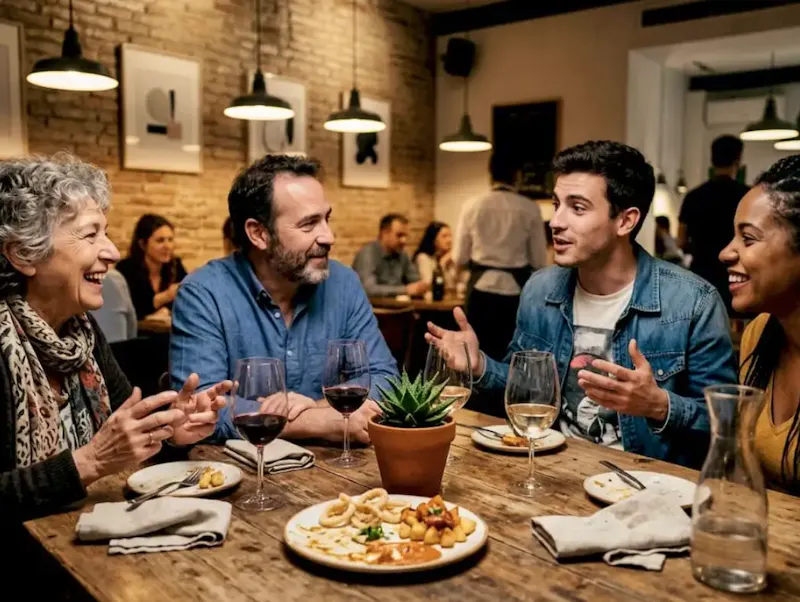
Author’s cuisine: discover innovation and creativity in Barcelona
TL;DR:
- Signature cuisine is a personal expression of the chef that prioritizes innovation and storytelling in the dishes.
- It isn’t always expensive or elitist; there are affordable options with their own distinct identity and concise menus.
- Barcelona offers a vibrant scene where tradition and innovation coexist, allowing for diverse and authentic experiences.
Many associate signature cuisine with dishes with unpronounceable names, astronomical prices, and a vast disconnect from the diner. Nothing could be further from the truth. In Barcelona, a new generation of chefs is redefining what it means to cook with a signature style: they blend cutting-edge techniques with ingredients from the corner market, craft menus that tell stories, and transform every dinner into something you’ll never forget. In this article, you’ll learn what signature cuisine really is, how it differs from tradition, what debates it sparks, and how you can experience it in the city.
Table of Contents
- What is signature cuisine?
- Key differences between signature cuisine and traditional cuisine
- Nuances and controversies in signature cuisine
- Signature cuisine in Barcelona: recommended experiences
- Why signature cuisine will continue to set the pace
- Experience signature cuisine in Barcelona
- Frequently asked questions about signature cuisine
Key Points
PointDetailsCreativity as the essenceSignature cuisine is based on each chef’s unique vision, blending innovation with personal roots.Clear differencesUnlike traditional cuisine, it focuses on narrative menus and multisensory experiences.Exclusive experience in BarcelonaBarcelona offers exceptional opportunities to discover world-renowned signature cuisine.Debate on elitismThere is controversy regarding accessibility, but new trends aim to democratize this concept.
What is signature cuisine?
Signature cuisine is, at its core, a chef’s personal culinary expression. It is not about following a traditional recipe book or reproducing learned techniques to the letter. It is about creating from one’s own vision, where each dish reflects the history, travels, obsessions, and values of the chef behind it.
Unlike traditional cuisine, which seeks to preserve and pass down recipes with generational fidelity, signature cuisine prioritizes innovation and individual creativity. This means that no two signature restaurants will ever be the same, even if they share a city or even a culinary school.
The elements that define a genuine signature culinary concept are:
- The chef’s personal vision: each menu is a gastronomic manifesto, not a catalog of proven hits.
- Technical innovation: use of fermentation, unexpected textures, extreme temperatures, or controlled heat techniques.
- Narrative on the plate: ingredients not only nourish, but also convey an origin, a season, or a memory.
- Discerning ingredient selection: not always the most exotic ingredient, but the one best suited to the story being told.
- Multisensory experience: the setting, sound, presentation, and sequence of dishes are all part of the design.
A key distinction that is often overlooked: signature cuisine is not synonymous with haute cuisine or high prices. There are signature dining options in more accessible formats, where the chef focuses on local ingredients and short menus with a very distinct identity.
"The difference between traditional cuisine and signature cuisine lies not in the budget, but in the intention: one preserves, the other innovates."
Compared to traditional cuisine, signature cuisine is distinguished by individual innovation and creativity versus the preservation of recipes, the use of global or cutting-edge ingredients versus local and classic ones, and a multisensory experience versus functionality.
Pro tip: To identify an authentic signature cuisine experience, ask the dining room staff about the story behind a specific dish. If the answer is detailed and personal, you’re in the right place. If they only talk about the technique without mentioning the chef, it’s likely trendy cuisine, not signature cuisine.
Key differences between signature cuisine and traditional cuisine
Now that we’ve laid the conceptual groundwork, let’s compare the two approaches point by point. The difference isn’t just philosophical: it translates into ingredients, presentation, price, and, above all, how you feel when you leave the table.
AppearanceSignature cuisineTraditional cuisineCreativityIndividual and experimentalCollective and conservativeIngredientsGlobal, seasonal, technicalLocal, classic, familiarExperienceMultisensory and narrativeFunctional and comfortingMenuTasting menu or set menuExtensive and flexible menuPriceGenerally higherVariable, usually more affordableAuthorshipChef’s signature visibleCollective or anonymous recipe
The differences between these two styles of cuisine are not a value judgment. Traditional cuisine carries enormous cultural weight and an emotional resonance that no avant-garde movement can easily replicate. Signature cuisine, on the other hand, sparks new conversations.
In Barcelona, this tension between tradition and innovation is particularly fertile. The city has a powerful culinary identity, with the sea, the mountains, and the market as its protagonists, and this inspires chefs who want to explore haute cuisine and signature cuisine from a Mediterranean and contemporary perspective.
Some important nuances that the table doesn’t capture:
- Signature cuisine can revive traditional recipes and reinterpret them with modern techniques, creating a bridge between both worlds.
- Traditional cuisine also evolves, though it does so more slowly and collectively.
- In Barcelona, Catalan creativity and innovation have fostered an ecosystem where both approaches coexist and feed off one another.
The result is a culinary scene where you can eat a classic rice dish at a neighborhood spot and, just three blocks away, enjoy a twelve-course experience that makes you rethink what it means to eat well. Both experiences are valid. The key is knowing what you’re looking for when you make a reservation.
Nuances and Controversies in Signature Cuisine
Now that we understand the difference, let’s turn to the gray areas that make signature cuisine a trend as debated as it is inspiring. Because not everything in this world is free creativity and applause.
The first debate is about accessibility. Signature cuisine was born in haute cuisine settings, with prices that most people cannot afford on a regular basis. This creates a paradox: a movement born of personal expression ends up being consumed by a very small audience. According to experts on signature cuisine, the trend encompasses both democratization in accessible venues and elitism in luxury offerings, with narrative menus, sustainability, and local ingredients as common threads.
The second debate concerns authenticity. When signature cuisine becomes a marketing gimmick, it loses its raison d’être. Some restaurants adopt the signature aesthetic—minimalist presentations, menus on kraft paper, the chef’s stories on the menu—without any real vision behind it. This breeds mistrust among the most discerning diners.
"The risk isn’t experimenting too much, but rather stopping experimentation and continuing to call it signature cuisine."
A critical analysis points out that signature cuisine can be elitist and expensive, with the risk of losing authenticity by becoming a formula, and that the empirical knowledge of the traditional cook is just as valuable as academic knowledge.
The most significant points of contention in the current debate are:
- Real sustainability vs. narrative sustainability: many signature menus tout local produce but include imported ingredients with a high environmental cost.
- The chef as a brand: when the chef’s personality overshadows the dish, the experience can become more of a spectacle than gastronomy.
- Democratization vs. exclusivity: the most interesting signature restaurants in Barcelona are those that strike a balance between an ambitious concept and reasonable prices.
- Academic training vs. experience: the debate over whether signature cuisine requires formal training or if intuition and craftsmanship are sufficient remains open.
Pro tip: To distinguish an authentic concept from a trendy gimmick, check if the menu changes with the seasons. A vibrant signature cuisine is constantly evolving. If the menu has remained the same for years, the chef’s signature style has become routine. Also consult specialized guides on exclusive dining for foodies to better guide your choices.
The most highly rated modern dining experiences combine creativity on the plate with seamless service and clear communication of the concept.
Signature Cuisine in Barcelona: Recommended Experiences
After exploring the pros and cons of signature cuisine, the next step is to discover where and how to experience it in Barcelona. The city offers a wide range of options, from internationally renowned establishments to more intimate and up-and-coming spots.
RestaurantStyleApproximate price per personRamón Freixa AtelierContemporary Spanish haute cuisine€150–200XertaSignature Mediterranean cuisine featuring ingredients from the Ebro Delta€90–130AflamasFire and local produce, tasting menu€75–110DisfrutarExtreme technical avant-garde€250–300
According to industry data, chefs like Freixa point out that well-executed signature menus generate 20 to 40% higher sales per cover than traditional à la carte formats, although operating costs are also significantly higher.
To make the most of your visit to any signature restaurant in Barcelona, keep these points in mind:
- Book in advance: the best signature restaurants have waiting lists. Plan at least two or three weeks ahead.
- Mention your dietary restrictions: gourmet vegetarian menus and gluten-free or lactose-free options are common at serious signature restaurants.
- Don’t arrive ravenous: tasting menus require attention and a calm mindset. Eating in a hurry or with an empty stomach for hours doesn’t help you enjoy the experience.
- Ask questions; don’t just eat: the dining room staff at a good signature restaurant is ready to explain each dish. Take advantage of it.
- Choose the wine pairing if you can: the wine or non-alcoholic pairing designed for the menu enhances the experience.
Consult a guide to booking at Barcelona’s exclusive restaurants if you want guidance on etiquette, prices, and what to expect from each type of dining experience.
Why signature cuisine will continue to set the pace
Some predict that signature cuisine is a passing fad, that diners will eventually tire of the narratives and microgreens. We’ve been hearing that prediction for decades, and it hasn’t come true. The reason is simple: signature cuisine isn’t an aesthetic; it’s an attitude.
What sets enduring chefs apart isn’t technique or budget. It’s the ability to evolve without losing their own voice. A signature chef who stops questioning themselves becomes a signature restaurant that repeats itself—and that’s truly boring.
Barcelona has a real competitive advantage in this context. The city combines access to exceptional ingredients, a deeply rooted culture of hospitality, and a discerning public that knows how to distinguish between genuine creativity and artifice. That forces chefs to always stay on their toes.
The most honest and exclusive culinary guide you can follow is this: look for restaurants where the chef has something to say, not just something to prove. The difference between the two is evident from the very first bite.
Experience signature cuisine in Barcelona
Everything you’ve read has a natural destination: the table. Signature cuisine is best understood with a fork in hand rather than through any article.
At Aflamas, we work with fire and local ingredients to create tasting menus that reflect our vision of contemporary gastronomy in Barcelona. We offer vegetarian, vegan, gluten-free, and lactose-free options so that no one is left out of the experience. If you’re ready to take the plunge, you can book your table at Aflamas right now and discover firsthand what it means to dine at a signature restaurant in this city.
Frequently Asked Questions About Signature Cuisine
Is signature cuisine always expensive?
Not necessarily. While it can be exclusive and expensive, there are more accessible options where the chef offers short menus with a distinct identity and reasonable prices.
How can you tell if a restaurant truly offers signature cuisine?
Look for menus with personal roots that change with the seasons, specific stories from the chef behind the dishes, and an offering you couldn’t find at any other restaurant.
What are the best examples of signature cuisine in Barcelona?
Restaurants like Ramón Freixa Atelier or Xerta stand out for their creativity and acclaim, alongside more intimate spots like Aflamas that combine fire, local produce, and a contemporary vision.
Does signature cuisine always prioritize local ingredients?
It tends to prioritize local and sustainable produce, but unlike traditional cuisine, it can also incorporate global ingredients and innovative techniques when the chef’s concept calls for it.
Discover also
What Does Exclusive Cuisine Represent? A Guide for Foodies
Discover what truly defines exclusive cuisine beyond price and luxury. A complete guide to ingredients, techniques, and unique gastronomic experiences.Sant Jordi Restaurant Barcelona | Special Menu Aflamas April 23
Looking for where to dine on Sant Jordi in Barcelona? Discover Aflamas’ special menu, perfect for a romantic dinner on April 23. Book now.Transform your celebrations: the key role of the restaurant in Barcelo
Discover how fine dining restaurants in Barcelona transform your celebrations into unique and unforgettable experiences.Sensory menu: what it is and how to experience it in Barcelona
Discover what a sensory menu is, how it stimulates the five senses, and where to enjoy the best gastronomic experiences in Barcelona, with options for vegetariaAuthor’s menu: what it is and how to enjoy unique experiences
Discover what an author’s menu is, how it is structured, how much it costs in Barcelona, and how to enjoy a unique and personalized gastronomic experience.Essential steps of a tasting dinner in Barcelona
Discover the essential steps of a tasting dinner in Barcelona: structure, real examples with up to 25 courses, and how to experience this unique culinary journe5 irresistible examples of sensory dining experiences in Barcelona
Discover the best examples of sensory dining experiences in Barcelona: darkness, 3D projections, and multisensory fine dining with vegan and gluten-free optionsHow to customize a tasting menu for private events
Discover how to design a personalized tasting menu for private events in Barcelona, with vegetarian and vegan options, plus practical tips on logistics and pricTop 8 alternatives to brasseriedumonde.com in 2026: the best dining op
Discover 8 alternatives to brasseriedumonde.com and choose the best option for your dining experience.Modern Catalan gastronomy: creativity and innovation
How to organize exclusive private events in Barcelona
The best gourmet vegetarian menus in Barcelona
Discover why choosing signature restaurants in Barcelona is best
Tasting Menu vs. À la Carte: Which Is Better?
How to Secure a Reservation at an Exclusive Restaurant in Barcelona: C
Descubre la checklist definitiva para reservar restaurantes exclusivos en Barcelona.Checklist for Booking a Restaurant and Enjoying Experiences
Discover the ultimate checklist for booking exclusive restaurants in Barcelona. Key criteria, personalized options, and strategies to secure your perfect diningGuide to Booking at Exclusive Restaurants in Barcelona
Discover how to book a table at exclusive restaurants in Barcelona with this practical guide. Steps, timing, common mistakes, and tips to secure your dining expNavidad
NAVIDAD A DOMICILIO CON AFLAMAS Cocina de Autor en tu Mesa Estas fiestas, celebra en casa sin renunciar al sabor. Aflamas te propone una selección de platos¿Qué es la cocina de autor?
¿Qué es la alta cocina?
View more